


Over the past few years, some SUVs have moved away from their tall, boxy roots in favor of sleeker designs. Sloping rooflines, coupe-like rear ends, and tighter proportions have become the norm. What was once a body style meant to convey presence and strength has often ended up working against its own identity.
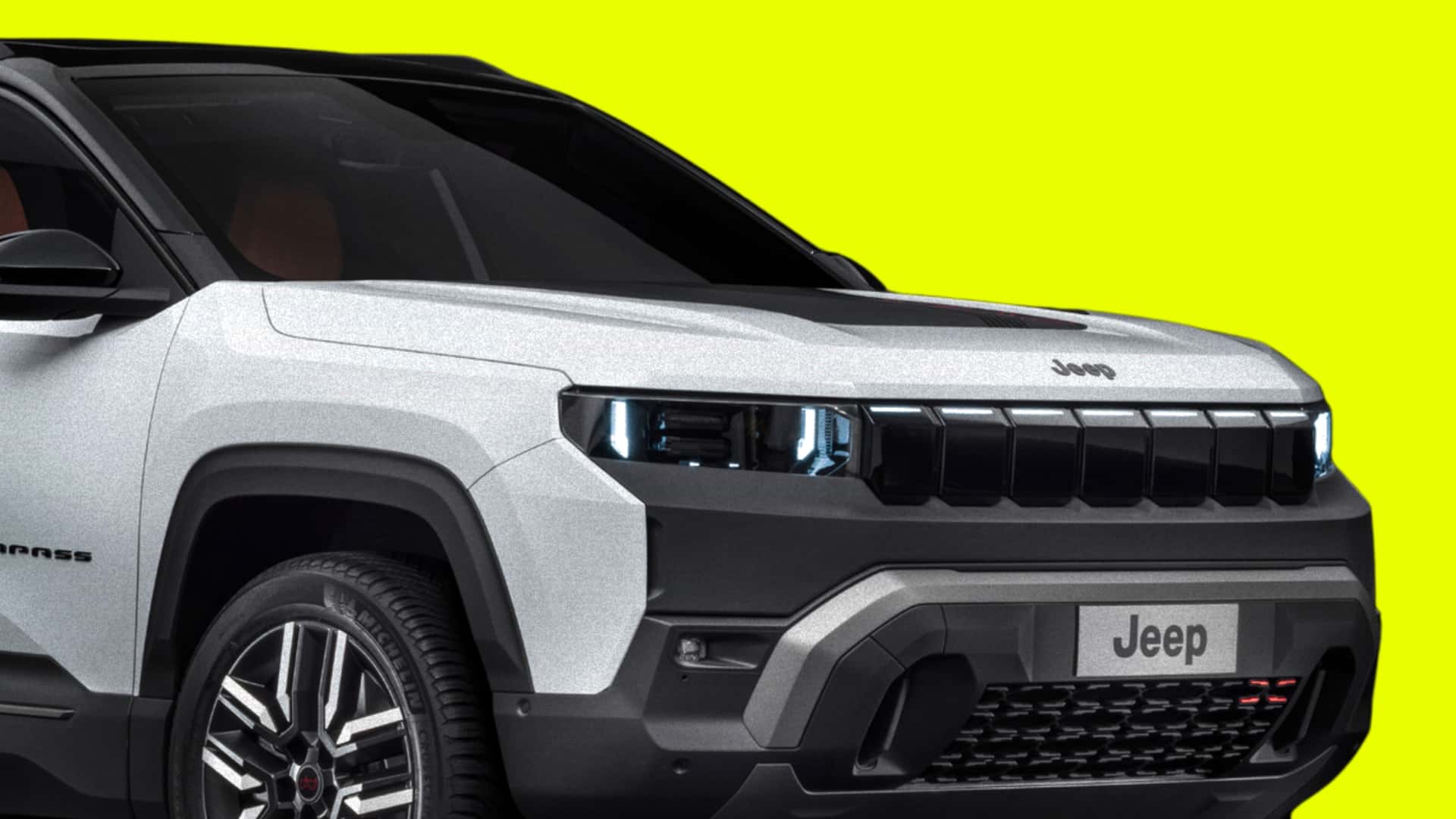
That’s what makes the new Jeep Compass worth paying attention to. It’s part of a group of SUVs that don’t try to hide what they are—instead, they lean into it with straightforward proportions, broader surfaces, and a stance that doesn’t shy away from its ride height.
It also raises an interesting question: are SUVs finally starting to look like SUVs again?

Photo by: Jeep
More Utility Than Sport
The new Compass works because it isn’t trying to be something it’s not. It doesn’t pretend to be a lifted coupe. The front end feels solid, the overall shape stays upright, and the wheel arches are clearly defined. Meanwhile, the body still carries that sense of toughness that’s always been part of Jeep’s identity.
Jeep emphasizes how closely this model sticks to its roots, highlighting capability, everyday usability, and instantly recognizable styling—basically the opposite of an SUV trying to pass as a sporty crossover.
The point isn’t that the Compass avoids on-road comfort—far from it. It’s that it manages to stay true to what a Jeep is, even as it becomes more refined, and that’s an important distinction. While many SUVs today are styled to look fast even when standing still, this one still reads as spacious, practical, and capable before it tries to appear aggressive or overtly sporty.
When SUVs Stop Trying To Be SUVs
In recent years, part of the market has gone in a different direction. Even without getting into the German SUV coupes from Audi, BMW, and Mercedes-Benz, you can see it in models like the Peugeot 3008 and Renault Rafale. Both lean into a more tapered roofline, sleeker rear styling, and tighter proportions, borrowing heavily from fastback and crossover-coupe design trends.
It’s not an arbitrary choice. That formula brings more visual energy, helps the vehicle feel less bulky, and often makes it seem more efficient—and more appealing—in increasingly crowded segments.
Renault’s Rafale is an example of a powerful SUV with a tall stance, yet with aerodynamic lines.
Photo by: Motor1.com
The Peugeot 5008 leans into its SUV identity, but overall, the lines are sleek and reminiscent of a large crossover.
Photo by: Peugeot
When Function Remains Visible
Jeep isn’t the only brand going with the boxy approach. Models like the Land Rover Defender, Toyota Land Cruiser, and even more down-to-earth options like the Dacia Bigster show there’s still a market for SUVs that don’t shy away from their practicality, size, and solid, no-nonsense presence.
In each case, the design isn’t trying to hide what the vehicle is built to do—it’s trying to make that purpose look good.
The Land Cruiser looks like a true off-roader, with interior space and on-road usability as well.
Photo by: Toyota
The Dacia Bigster has simple lines and a boxy shape, with no nods to coupe-like sportiness.
Photo by: Dacia
It’s also worth noting that when you talk about Land Rover or the Land Cruiser—across their different models and generations—you’re still firmly within an off-road tradition, much like Jeep. That kind of capability signals something very different from a coupe-like roofline, which usually implies a focus on on-road driving.
The Dacia Bigster, on the other hand, follows an evolution already established by the Duster. It starts from a brand that was originally very road-oriented and gradually grows in size and presence, turning simple, honest lines into something more functional, more rugged, and visually closer to the off-road world.
What Is An SUV, Anyway?
The real question isn’t whether an SUV should be sporty or not. It’s whether its shape is still the best way to express space, family use, and versatility. It’s no coincidence that many former minivans—like the Renault Espace, Scenic, or Peugeot 5008—haven’t really disappeared, but evolved instead. They’ve taken on taller front ends, larger wheels, and SUV-like proportions.
This is where design becomes interesting again: not when it hides what something is, but when it makes its purpose immediately clear. If there’s still an alternative to the SUV, it probably won’t come from low, sleek silhouettes, but from a new kind of tall vehicle—spacious, and unapologetically practical.
