


Romance is one of the oldest forms of storytelling, and for good reason. Something is just so fascinating about witnessing two strangers slowly become the most important people in each other’s lives. Movies can obviously tell great love stories, but books have always been the genre’s natural home. They allow readers to experience every little moment that leads up to the central characters’ happily ever after.
Not every romance book gets it right, though, because many of them mistake grand gestures for chemistry or rely on familiar tropes without giving readers a reason to care. Not the ones on this list, though, because they create relationships that feel so authentic that readers can’t help but become emotionally invested in every high and low along the way. Here are the romance books that are perfect from the first page to the last.
‘Pride and Prejudice’ (1813)

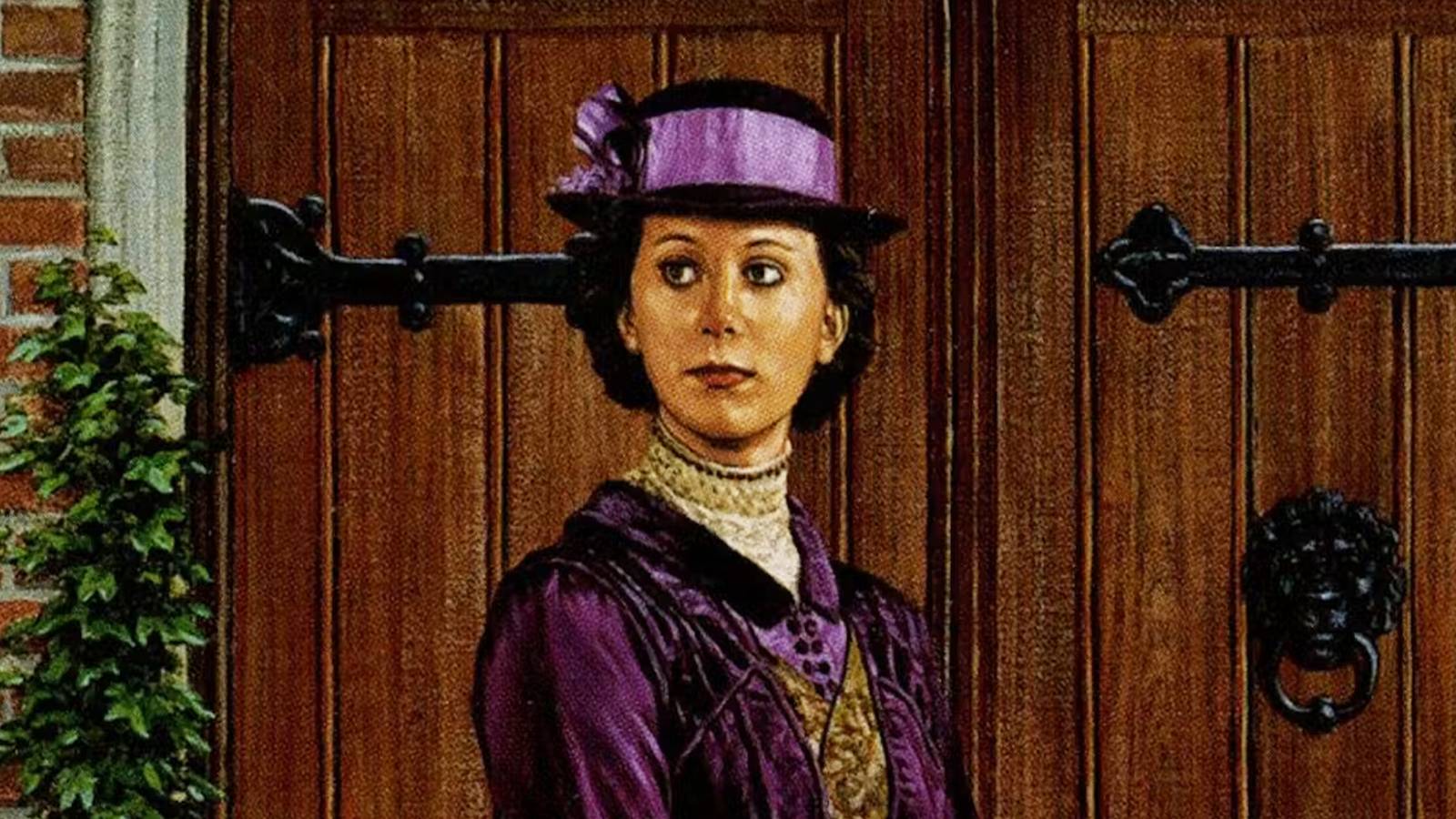
No one does romance like Jane Austen, and Pride and Prejudice is the holy grail of the genre. In fact, Elizabeth Bennet and Mr. Darcy practically invented enemies-to-lovers before every Netflix movie was doing it, and are still one of literature’s greatest pairings thanks to their compelling dynamic. The novel primarily follows the intelligent and fiercely independent Elizabeth Bennet, whose life changes when the wealthy yet notoriously reserved Mr. Fitzwilliam Darcy enters her social circle. Both characters instantly dislike one another. However, as their misunderstandings unravel, the two are forced to confront their own flaws and true feelings.
This constant tension between Elizabeth and Mr. Darcy is what makes the novel irresistible. Austen fills every conversation between Elizabeth and Darcy with tension, wit, and emotional subtext, which gives weight to even their smallest interactions. At the same time, Pride and Prejudice doubles as a sharp satire of class, marriage, and social expectations in Regency England, which gives the novel a lot more depth than a typical love story. That’s also why Pride and Prejudice remains an important part of cultural conversations today, with countless books, films, and TV shows borrowing from its characters and tropes. Safe to say, this book is as close to a perfect romance novel as the genre has ever seen.
‘The Time Traveler’s Wife’ (2003)

Audrey Niffenegger‘s The Time Traveler’s Wife is a science fiction romance that leaves the readers heartbroken. The story follows librarian Henry DeTamble, who has a rare genetic condition that causes him to involuntarily travel through time, and Clare Abshire, the woman who loves him despite never knowing when he will suddenly disappear or reappear. The most interesting part of the story is how Henry experiences his relationship with Clare out of order. The two meet at completely different stages of their lives, which means Clare has to build a future with someone whose past she already knows.
The novel constantly jumps between timelines, and while that might sound complex, the storytelling feels effortless to follow. The novel never uses time travel as a gimmick, but uses it as a tool to explore how true love can survive uncertainty and absence. Every reunion between the central characters carries the weight of an inevitable goodbye, and this balance of hope and tragedy is what makes readers stick with The Time Traveler’s Wife till the very end. More than twenty years after its release, it still stands as one of the most original and emotionally devastating romances ever written.
‘The Unhoneymooners’ (2019)

Christina Lauren‘s The Unhoneymooners is another enemies-to-lovers, but with a more contemporary narrative. The story follows Olive Torres, who unexpectedly wins a free honeymoon to Hawaii after every guest at her twin sister’s wedding comes down with severe food poisoning. The problem, though, is that the only other person who can claim the trip is Ethan Thomas, the groom’s brother and the one person Olive can’t stand. The catch is that the resort, excursions, and other bookings all expect the newlywed couple to show up. However, to avoid losing the trip and to keep things simple, Olive and Ethan pretend to be a couple.
Of course, this leads to a comedy of errors where their lie becomes increasingly complicated with time, especially when they run into acquaintances and are forced to keep up the charade. The book is a rom-com at its best, and the longer Olive and Ethan pretend to be married, the closer they get to one another. Lauren balances the story’s lighthearted moments with genuine emotional growth, so the romance never feels rushed despite all the chaos that surrounds it. The Unhoneymooners isn’t the most intense, gut-wrenching love story out there, but it’s definitely one of the most entertaining and sweet romance novels in recent times.
‘Eleanor & Park’ (2012)

Rainbow Rowell‘s Eleanor & Park perfectly captures the awkwardness and charm of first love. The story is set in the 1980s and follows two high schoolers who feel like total outsiders. Eleanor is the new girl who is constantly bullied for her appearance and is struggling through a turbulent home life. On the other hand, Park is a quiet half-Korean teenager who prefers blending into the background. Their relationship begins with a silent agreement to share a seat on the school bus, but casual comic book and mixtape exchanges gradually turn into a deep emotional connection that becomes a safe place from the challenges they face outside of school.
The book understands the light-heartedness of first relationships, but never loses sight of the very difficult realities the central characters are facing. This makes the romance feel all the more meaningful. Sure, there are no dramatic twists or grand gestures of love in the novel, but that’s because Eleanor and Park’s relationship is built on quiet, ordinary moments. The book is a coming-of-age story, a heartfelt romance, and a reminder of how much first loves matter, even if they don’t last forever.
‘The Flatshare’ (2019)

Beth O’Leary‘s The Flatshare is another modern romance that proves the genre doesn’t need an over-the-top premise to feel completely original. The novel follows Tiffy Moore, who desperately needs an affordable place to live after a difficult breakup. Then there’s Leon Twomey, a night-shift hospice nurse looking to earn some extra money. The two strike an unusual arrangement to share the same one-bedroom apartment. Now, because Leon works nights and Tiffy works during the day, they almost never meet. Instead, they slowly get to know each other through the handwritten notes they leave around the flat.
This very practical living arrangement gradually develops into a heartfelt romance that unfolds as naturally as ever. The author takes her sweet time to set up Tiffy and Leon’s dynamic, but that’s because she also explores themes of emotional abuse, grief, and healing. Leon gently supports Tiffy as she rebuilds her confidence after a turbulent relationship while dealing with personal struggles of his own. The central characters actually form a strong friendship before they fall in love, which makes every turn in their relationship feel all the more meaningful. By the time Tiffy and Leon finally share the same space emotionally as well as physically, their relationship feels completely authentic.
‘Jane Eyre’ (1847)

Charlotte Brontë‘s Jane Eyre is much more than just a love story. The novel follows Jane, an orphan who endures a lonely childhood before becoming a governess at the isolated Thornfield Hall. There, she meets the estate’s enigmatic owner, Edward Rochester, whose cold demeanor and mysterious past immediately set him apart from the typical romantic hero. The narrative shows Jane and Rochester growing closer, but their relationship is constantly tested by secrets, painful sacrifices, and impossible moral choices that force Jane to decide whether love is worth compromising her own principles.
The best thing about Jane Eyre is that, unlike many romances of its time, it never allows love to overshadow its heroine’s individuality. Jane refuses to sacrifice her self-respect and independence, even if that means walking away from the man she loves. That gives the novel a remarkable sense of maturity that has influenced generations of romance writers, but few have matched Brontë’s sensibilities.
‘Call Me By Your Name’ (2007)

André Aciman‘s Call Me by Your Name is one of the most beautifully written romances of the 21st century. The story is set in the sun-drenched Italian countryside during the summer of 1983, and follows 17-year-old Elio Perlman, whose quiet life is disrupted by the arrival of Oliver, a charismatic American graduate student staying with Elio’s family for the summer. What ensues is a masterclass in longing as Elio and Oliver slowly build an intense emotional connection without knowing how to express their feelings.
Aciman gives weight to every glance, conversation, and moment of lingering silence to capture the confusion of falling in love for the first time, and that, too, in an unconventional way. The love story is great, but the context in which it happens elevates it beyond a traditional coming-of-age romance. At a time when LGBTQ+ relationships were still rarely explored with this level of emotional nuance in mainstream fiction, Call Me by Your Name treated its central romance simply as a deeply human experience. That sincerity is exactly what gives the novel its universal appeal.

Call Me by Your Name
- Release Date
-
January 18, 2018
- Runtime
-
132 Minutes
- Writers
-
James Ivory, André Aciman
