

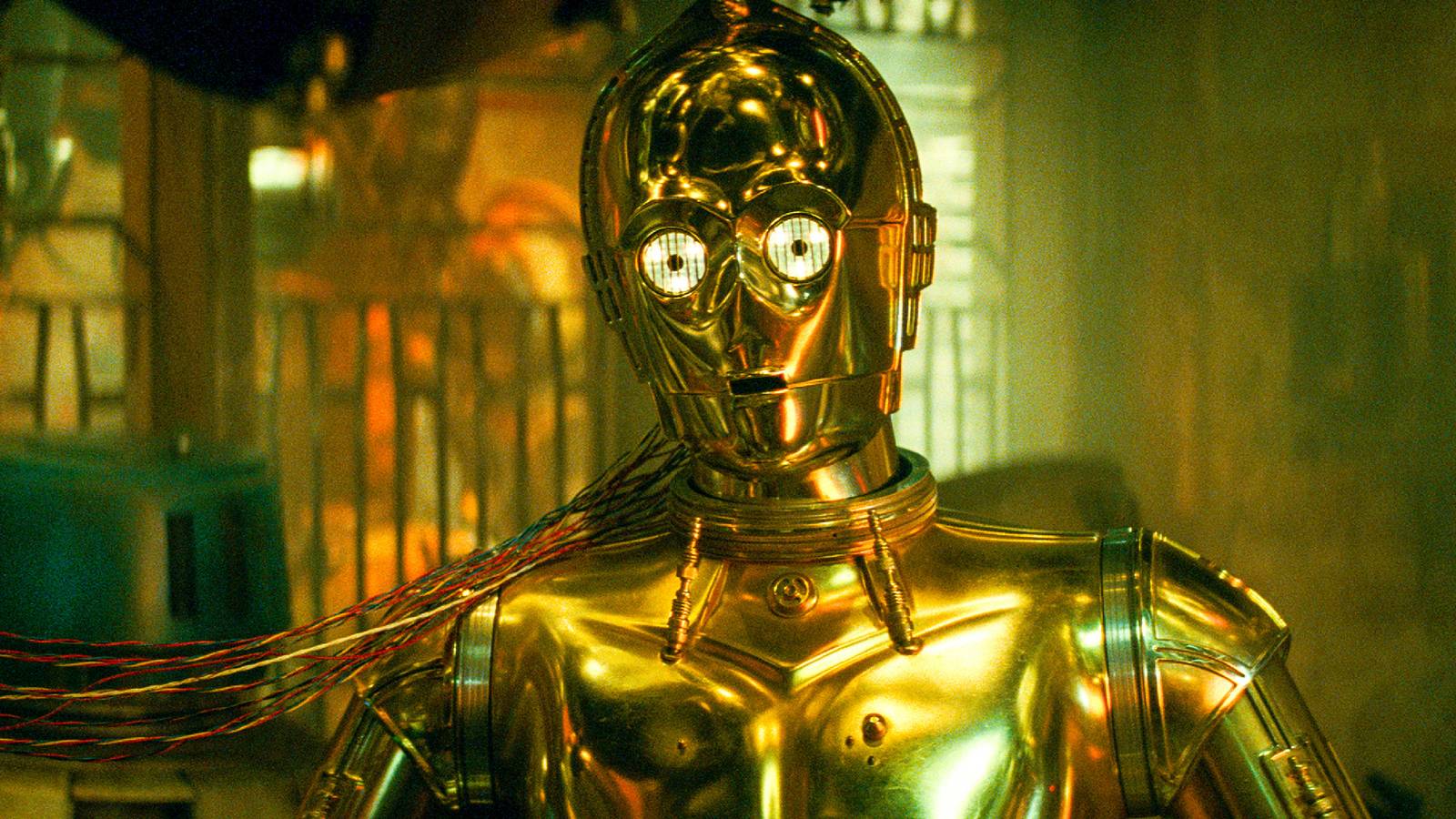

For modern audiences, Star Wars is as much a television franchise as it is a movie series. Thanks to shows like The Mandalorian, Ahsoka, and Andor, the galaxy far, far away is a streaming staple. While theatrical releases remain a major part of Lucasfilm’s and Disney’s strategy, audiences now associate the Star Wars name with prestige television just as much as blockbuster theatrical releases.
or many, the legacy of Star Wars being a powerhouse TV franchise began with the release of Star Wars: The Clone Wars in 2008. While there was also the 2003-2005 Clone Wars microseries, the episodes of that show were shorts aired in commercial breaks. 2008’s The Clone Wars was a fully-fledged half-hour animated series with ongoing serialized storytelling. For an entire generation of fans, it felt like the moment Star Wars truly arrived as a TV franchise.
However, The Clone Wars wasn’t the first Star Wars TV show. The franchise made its television debut 23 years earlier with two animated series, Star Wars: Ewoks and Star Wars: Droids. While designed for a very different era of television, these 1985 shows remain fascinating pieces of Star Wars history. They may look worlds apart from the Disney+ productions of today, yet they played a crucial role in expanding the franchise beyond the original trilogy and helping establish Star Wars as a multimedia entertainment phenomenon.
Star Wars’ Ewoks & Droids TV Shows Explained

Following the success of the original trilogy, Lucasfilm looked for new ways to keep audiences engaged with the Star Wars universe. One of the most popular trends of the era was the Saturday morning cartoon block, and in 1985, Star Wars joined in with two animated series: Star Wars: Droids and Star Wars: Ewoks.
Both shows ran on ABC as part of a one-hour programming block titled The Ewoks and Droids Adventure Hour. Droids followed C-3PO and R2-D2 before the events of A New Hope as they passed between different owners and became caught up in a variety of adventures. Ewoks, meanwhile, shifted the focus to the furry inhabitants of Endor before Return of the Jedi. It centered on Wicket W. Warrick (Warwick Davis in the films) and leaned heavily into fantasy storytelling, featuring witches and other magical elements.
Neither Droids nor Ewoks are part of the current Disney Star Wars canon. Nevertheless, their importance to Star Wars history cannot be overstated. These shows represent one of the earliest attempts to transform Star Wars from a successful movie trilogy into a broader multimedia brand. Long before streaming series became central to the franchise, Droids and Ewoks demonstrated that audiences were ready to delve into new Star Wars stories from the comfort of their living rooms.
Ewoks & Droids Fill Important Gaps In Star Wars Continuity

Despite being lighthearted Saturday morning cartoons aimed at younger viewers, both Droids and Ewoks both helped flesh out parts of the wider Star Wars universe. Their connections to modern canon may be loose, but they explored corners of the timeline that were untouched when they released in 1985.
Droids was especially significant because it was the on-screen Star Wars project to explore the lives of C-3PO and R2-D2 before A New Hope. By the end of their adventures in the show, the droids eventually enter the service of Captain Antilles, their owner prior to Princess Leia. Droids also introduced ideas that would be pivotal to the Star Wars prequel trilogy. For example, one episode involved high-speed racing competitions. While the races were very different from those in The Phantom Menace, they were a clear early creative precursor to podracing.
Ewoks offered similarly intriguing context for Endor. Set before Return of the Jedi, the series depicts the Empire beginning to establish a presence on the forest moon. This helps explain why the Ewoks are already familiar with Imperial forces by the time Luke, Han, and Leia arrive. It also makes the Ewok’s decision to support the Rebel Alliance feel more understandable. Rather than simply helping a group of strangers, Ewoks suggests they already had reasons to distrust Imperial activity on their world.
Neither Ewoks nor Droids ranks among the franchise’s most influential TV shows, but their place in Star Wars history is still significant. As the first proper small-screen Star Wars adventures, they paved the way for everything that followed. More importantly, they proved that Star Wars could thrive on television decades before The Clone Wars, The Mandalorian, or Andor turned TV into the franchise’s predominant medium.
