Skip to content
Close Menu

    Subscribe to Updates

    Get the latest news from tastytech.

    What's Hot

    Examining Google DeepMind’s AI bioresilience push

    July 17, 2026

    GPT-5.6 Sol vs. Claude Fable 5: Benchmarks, Pricing & Hands-On

    July 17, 2026

    Space mirrors are coming as startup plans giant satellite network to bring artificial daylight from orbit down to Earth

    July 17, 2026
    Facebook X (Twitter) Instagram
    Facebook X (Twitter) Instagram
    tastytech.intastytech.in
    Subscribe
    • AI News & Trends
    • Tech News
    • AI Tools
    • Business & Startups
    • Guides & Tutorials
    • Tech Reviews
    • Automobiles
    • Gaming
    • movies
    tastytech.intastytech.in
    Home»Tech Reviews»Space mirrors are coming as startup plans giant satellite network to bring artificial daylight from orbit down to Earth
    Space mirrors are coming as startup plans giant satellite network to bring artificial daylight from orbit down to Earth
    Tech Reviews

    Space mirrors are coming as startup plans giant satellite network to bring artificial daylight from orbit down to Earth

    gvfx00@gmail.comBy gvfx00@gmail.comJuly 17, 2026No Comments3 Mins Read
    Share
    Facebook Twitter LinkedIn Pinterest Email


    • FCC approves testing of satellites designed to reflect sunlight toward Earth
    • Startup plans thousands of orbital mirrors capable of extending daylight periods
    • Scientists warn artificial sunlight could interfere with astronomical observations worldwide

    A California startup has received approval from the Federal Communications Commission (FCC) to test satellites designed to reflect sunlight toward Earth.

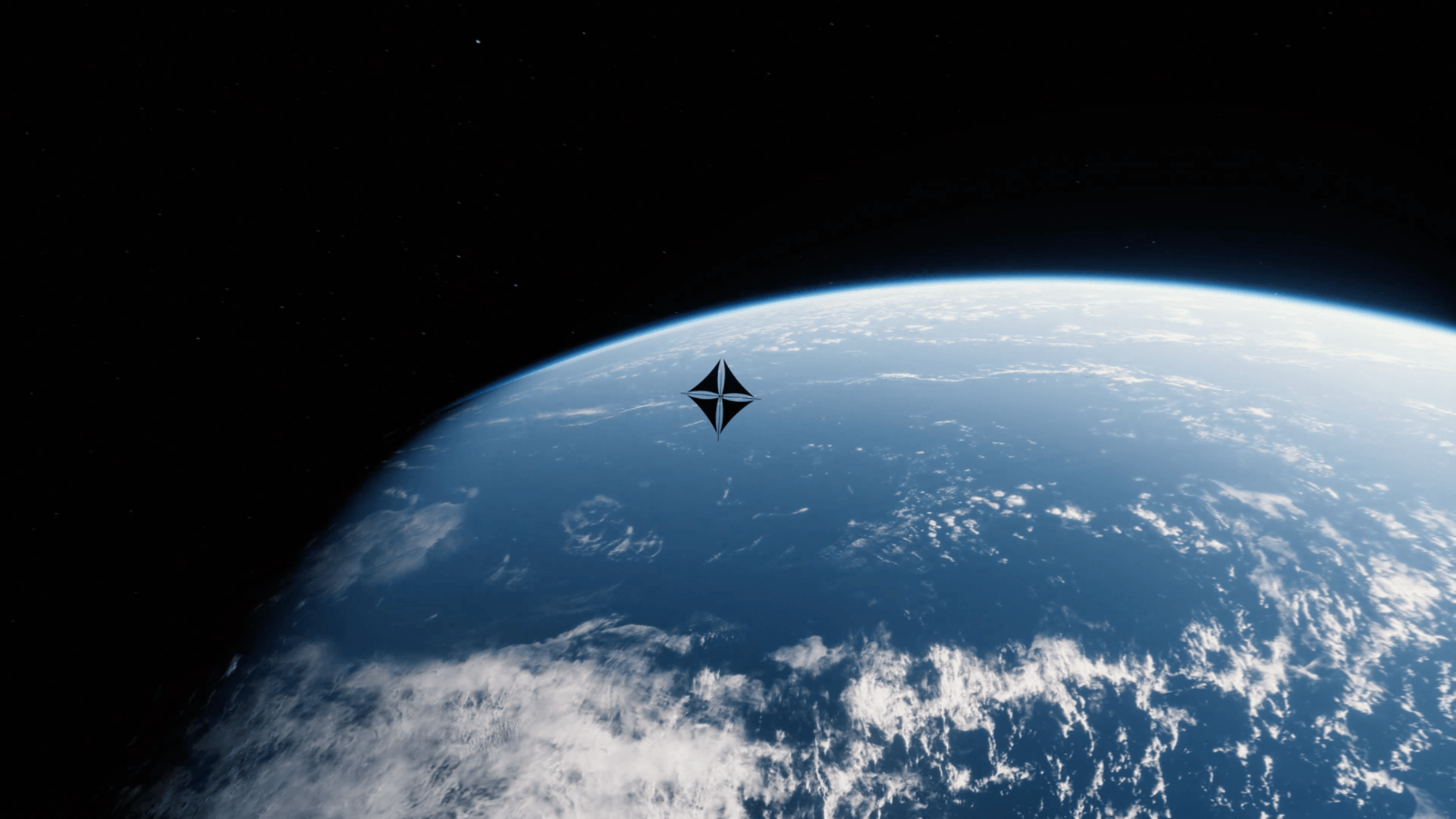
    Reflect Orbital plans to launch its Eärendil-1 spacecraft with large orbital mirrors capable of extending daylight in selected areas.

    The concept promises new applications for energy and emergency services, although scientists have raised concerns about its broader consequences.

    Latest Videos From

    Table of Contents

    Toggle
    • Reflect Orbital to begin testing of ambitious sunlight reflection technology
    • Astronomers and environmental groups warn about possible impacts
      • Related posts:
    • Microsoft's full screen 'Xbox Mode' will roll out to Windows 11 PCs in April
    • X is testing a new way of opening links in posts to improve engagement
    • Stop Hoarding Old Computers and Printers. How To Recycle Electronics for Free

    Reflect Orbital to begin testing of ambitious sunlight reflection technology

    The Eärendil-1 satellite will operate in low Earth orbit with four thin film reflectors measuring about 18 meters, or roughly 60 feet, across.

    The reflected sunlight will be directed toward specific locations for short periods, supporting activities such as construction work, search and rescue operations, and solar power generation.


    You may like

    Reflect Orbital says its mirrors could eventually deliver up to 36,000 lux, roughly comparable to genuine daylight conditions found outdoors.

    The system could also provide around 100 lux continuously, similar to lighting typically found inside standard indoor workspaces around the clock.

    Sign up to the TechRadar Pro newsletter to get all the top news, opinion, features and guidance your business needs to succeed!

    “We’re grateful to the FCC for recognizing the importance of testing novel technologies in space,” Ben Nowack, chief executive of Reflect Orbital, said in a statement.

    “This license is the first step toward rigorously testing our technology’s efficacy and the safeguards we have developed.”

    The idea has drawn comparisons with the fictional Icarus satellite from the James Bond film Die Another Day, where an orbital reflector was designed to bring sunlight to dark regions.


    What to read next

    While the real technology differs significantly from the movie concept, critics argue similar questions about unintended effects remain relevant as deployment plans expand.

    Astronomers and environmental groups warn about possible impacts

    Astronomers have expressed concerns that reflected sunlight from thousands of satellites could interfere with observations of faint objects across the night sky.

    Tony Tyson, chief scientist at the Vera C. Rubin Observatory, described the proposal as “even crazier” than previous satellite constellation challenges affecting astronomical research.

    The European Southern Observatory warned that a full deployment could increase sky brightness at its facilities by three to four times, reducing the ability of telescopes to detect distant and faint astronomical sources.

    Researchers also argue that artificial nighttime illumination could affect biological systems that depend on natural day and night cycles.

    These concerns involve plants, animals and humans that rely upon predictable environmental patterns for normal behaviour.

    The FCC stated that scientific and environmental issues fall outside its direct regulatory authority, which focuses mainly on communications services involving radio, television, satellite and related systems.

    The agency approved testing because it believes allowing new space technologies supports innovation and economic development.

    Critics may instead seek reviews from agencies such as NASA and the Environmental Protection Agency, which handle broader questions involving space activity and environmental effects.

    Whether orbital mirrors become a useful technology or create unexpected challenges will depend on future testing, oversight, and independent scientific assessments.

    Via Tom’s Hardware


    Google logo on a black background next to text reading 'Click to follow TechRadar'

    Follow TechRadar on Google News and add us as a preferred source to get our expert news, reviews, and opinion in your feeds.

    Related posts:

    Two Lost 'Doctor Who' Episodes Found Intact in Waterlogged Collection

    Recovery Slides Are My Feet's Best Friend. Here Are My Top Picks

    ICE wants to build a 24/7 social media surveillance team

    Share. Facebook Twitter Pinterest LinkedIn Tumblr Email
    Previous ArticleMatt Damon Is In Fortnite Now, But He Was Almost In His Own Game Way Earlier
    Next Article GPT-5.6 Sol vs. Claude Fable 5: Benchmarks, Pricing & Hands-On
    gvfx00@gmail.com
    • Website

    Related Posts

    Tech Reviews

    Energy IPOs surge as investors hunt for ways to play AI boom

    July 16, 2026
    Tech Reviews

    Vital Signals Puts Continuous Blood Pressure Monitoring Into A Ring

    July 16, 2026
    Tech Reviews

    Google Play Opens the Door to Third-Party App Stores, Starting Next Week

    July 16, 2026
    Add A Comment
    Leave A Reply Cancel Reply

    Top Posts

    Black Swans in Artificial Intelligence — Dan Rose AI

    October 2, 2025208 Views

    Every Clue That Tony Stark Was Always Doctor Doom

    October 20, 2025132 Views

    We let ChatGPT judge impossible superhero debates — here’s how it ruled

    December 31, 2025100 Views
    Stay In Touch
    • Facebook
    • YouTube
    • TikTok
    • WhatsApp
    • Twitter
    • Instagram

    Subscribe to Updates

    Get the latest tech news from tastytech.

    About Us
    About Us

    TastyTech.in brings you the latest AI, tech news, cybersecurity tips, and gadget insights all in one place. Stay informed, stay secure, and stay ahead with us!

    Most Popular

    Black Swans in Artificial Intelligence — Dan Rose AI

    October 2, 2025208 Views

    Every Clue That Tony Stark Was Always Doctor Doom

    October 20, 2025132 Views

    We let ChatGPT judge impossible superhero debates — here’s how it ruled

    December 31, 2025100 Views

    Subscribe to Updates

    Get the latest news from tastytech.

    Facebook X (Twitter) Instagram Pinterest
    • Homepage
    • About Us
    • Contact Us
    • Privacy Policy
    © 2026 TastyTech. Designed by TastyTech.

    Type above and press Enter to search. Press Esc to cancel.

    Ad Blocker Enabled!
    Ad Blocker Enabled!
    Our website is made possible by displaying online advertisements to our visitors. Please support us by disabling your Ad Blocker.