

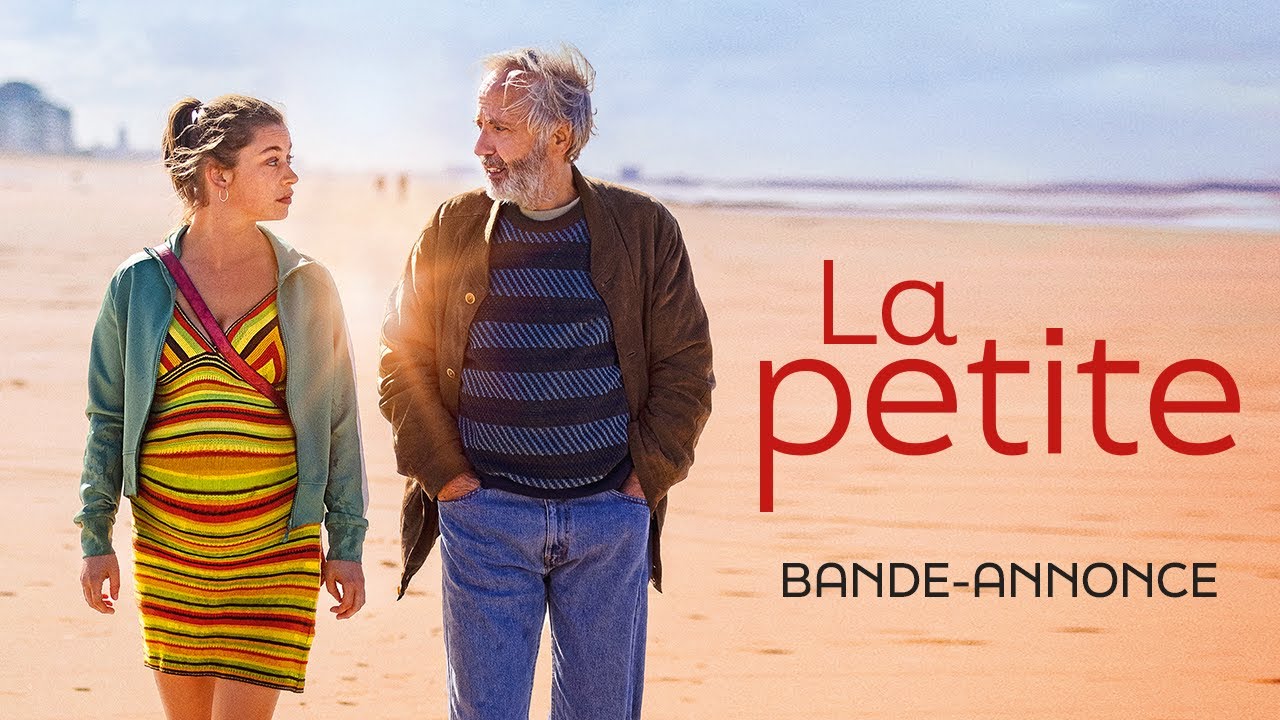

Grief, surrogacy, and unexpected family bonds reshape a grandfather’s future
The Baby (La petite) explores loss, parenthood, and unconventional family structures through the story of Joseph, a grieving father whose son and son’s partner die in a tragic accident before the birth of a child they were expecting through surrogacy. Directed by Guillaume Nicloux and based on a novel by Fanny Chesnel, the film follows Joseph’s emotional journey as he travels to Belgium to meet Rita, the young surrogate carrying his future grandchild. Rather than focusing solely on grief, the movie examines how family connections can emerge through unexpected emotional relationships and non-traditional paths to parenthood. The story balances emotional sorrow with hope, empathy, and human connection. At the same time, The Baby reflects the growing popularity of contemporary dramas exploring evolving definitions of family, caregiving, and generational responsibility.
➡️ Implication: Modern family dramas increasingly explore emotional bonds formed outside traditional biological and social structures.
Why It Is Trending: Stories about grief and unconventional families resonate with modern audiences
The Baby attracted attention because it combines deeply emotional themes with contemporary social issues surrounding surrogacy, LGBTQ+ parenthood, and evolving family dynamics. The film addresses difficult questions about legal parenthood, emotional responsibility, and family identity without becoming overly political or sensationalized. Audiences increasingly connect with stories exploring how people rebuild meaning and purpose after personal tragedy. The movie also benefits from the acclaimed performance of Fabrice Luchini, whose portrayal of Joseph anchors the emotional narrative. Its combination of emotional realism and social relevance helped the film stand out within European drama cinema.
➡️ Implication: Audiences increasingly value emotionally grounded dramas that reflect changing realities of family and caregiving.
Elements Driving the Trend: Loss, caregiving, and emotional healing drive engagement
The film heavily relies on themes involving grief, responsibility, generational continuity, and emotional healing. Joseph’s relationship with Rita gradually evolves beyond legal questions and becomes a deeply human connection centered on mutual understanding and vulnerability. The unborn child serves as both a symbol of loss and a source of future hope. Rather than focusing on courtroom conflict or social controversy, the film prioritizes emotional reconciliation and human empathy. This emotionally intimate approach strongly aligns with contemporary European drama trends.
➡️ Implication: Modern dramas increasingly use personal relationships to explore broader social and ethical questions.
Virality of Movie (Social Media Coverage): Emotional themes and family questions fueled discussion
Online discussion surrounding The Baby focused largely on its treatment of surrogacy, grief, and non-traditional family structures. Many viewers debated Joseph’s role as a grandfather and discussed the emotional complexities surrounding parental rights and emotional attachment. Social media audiences also praised the film’s refusal to reduce the story to simple moral answers. Discussions frequently centered on empathy, family identity, and how people create meaningful connections after tragedy. The emotionally universal themes helped the film connect with audiences beyond its specific social context.
➡️ Implication: Emotionally complex family stories increasingly generate engagement through discussion rather than controversy.
Critics Reception: Emotional restraint and strong performances earned praise
Critical reception focused heavily on the emotional sincerity of the film and the performance of Fabrice Luchini. Many critics praised the movie for handling sensitive themes with compassion and restraint rather than melodrama. Reviews frequently highlighted the chemistry between Luchini and Mara Taquin, whose performance as Rita brings emotional depth and independence to the story. Some critics noted the film’s deliberate pacing, while others appreciated its focus on character development over dramatic conflict. Overall, the movie earned recognition for its thoughtful exploration of grief and family.
➡️ Implication: Character-driven emotional realism continues gaining recognition within contemporary European drama.
Awards and Recognitions: Acting and music received notable recognition
The Baby received two award nominations. At the Magritte Awards, Mara Taquin earned a nomination for Best Actress. The film also received a nomination at the CinEuphoria Awards for Best Original Music in the International Competition category, recognizing the score by Ludovico Einaudi. These nominations highlighted both the emotional strength of the performances and the film’s atmospheric musical storytelling.
➡️ Implication: Intimate family dramas increasingly gain recognition through performance and emotional atmosphere rather than large-scale production elements.
Director and Cast: Strong performances ground the emotional narrative
Guillaume Nicloux directs the story with emotional restraint and compassion, allowing character relationships to drive the narrative. Fabrice Luchini delivers a nuanced performance as Joseph, balancing grief, vulnerability, and quiet determination. Mara Taquin provides emotional complexity as Rita, portraying both independence and compassion. Supporting performances from Maud Wyler and Veerle Baetens help expand the emotional world surrounding the central relationship. Together, the cast creates a believable and emotionally resonant family drama.
➡️ Implication: Emotionally authentic performances remain the foundation of successful character-driven dramas.
Conclusion: Family dramas are increasingly redefining what family means
The Baby reflects the growing evolution of family-centered dramas toward more inclusive and emotionally complex explorations of parenthood, caregiving, and belonging. The film moves beyond traditional family narratives to examine how emotional bonds can emerge through unexpected circumstances and shared vulnerability. Its focus on grief, surrogacy, and generational continuity creates a story that feels both socially contemporary and emotionally timeless. Modern audiences increasingly connect with stories that explore family as an evolving emotional relationship rather than a fixed structure. The movie succeeds because it approaches difficult themes with empathy, restraint, and emotional honesty. Ultimately, The Baby represents the continuing rise of emotionally intelligent dramas centered around human connection, loss, and the redefinition of family.
➡️ Implication: The future of family drama will increasingly focus on emotional relationships and chosen connections rather than traditional family models.
What Movie Trend Is Followed: Modern family dramas are redefining parenthood and emotional belonging
The Baby follows the growing trend of contemporary dramas exploring non-traditional family structures, alternative paths to parenthood, and emotionally complex caregiving relationships. Similar to many recent European dramas, the film focuses less on conventional family models and more on how emotional bonds form through loss, responsibility, and shared vulnerability. Rather than treating surrogacy as a legal or political issue alone, the story examines its emotional consequences and the unexpected relationships it creates. The movie also reflects a broader cinematic movement toward stories about grief, healing, and intergenerational connection. As a result, The Baby fits strongly within the modern wave of emotionally intelligent family dramas centered around evolving definitions of love and family.
➡️ Implication: Contemporary family dramas increasingly portray family as an emotional relationship rather than a strictly biological institution.
Trend Drivers: Changing family structures continue influencing storytelling
One major driver behind this trend is the growing visibility of diverse family experiences, including surrogacy, LGBTQ+ parenthood, adoption, and blended caregiving relationships. Audiences increasingly seek stories reflecting the realities of modern family life rather than traditional family structures alone. Films exploring grief and emotional healing also resonate because they address universal experiences while remaining socially relevant. The emotional relationship between Joseph and Rita allows the movie to explore these issues through empathy rather than conflict. Together, family evolution and emotional realism continue shaping contemporary drama trends.
➡️ Implication: Audiences increasingly connect with stories reflecting the complexity and diversity of modern family life.
What Is Influencing Trend: Social change and emotional realism are reshaping family dramas
Modern cinema increasingly focuses on emotional authenticity and contemporary social realities. As family structures evolve globally, filmmakers are exploring new stories about caregiving, belonging, and responsibility beyond traditional frameworks. European dramas in particular often favor intimate character studies over issue-driven storytelling, allowing audiences to emotionally engage with complex social topics. The rise of emotionally grounded storytelling has also encouraged filmmakers to examine how personal grief intersects with larger cultural changes. This shift strongly influences films like The Baby.
➡️ Implication: Emotional realism is becoming the primary lens through which contemporary social issues are explored on screen.
Macro Trends Influencing: Connection and caregiving remain central cultural concerns
Modern audiences increasingly value stories centered around human connection, empathy, and emotional resilience during periods of social uncertainty and personal isolation. Cultural conversations surrounding caregiving, chosen family, and emotional support networks have become more visible in recent years. Stories about rebuilding life after loss resonate because they reflect universal emotional experiences. The Baby mirrors these wider trends by focusing on emotional responsibility rather than legal or societal conflict. The result is a story that feels both intimate and broadly relevant.
➡️ Implication: Human connection and caregiving continue emerging as dominant themes within contemporary drama storytelling.
Consumer Trends Influencing: Audiences increasingly seek emotionally restorative dramas
Modern viewers increasingly respond to emotionally sincere films that emphasize compassion, understanding, and personal growth. Many audiences now prefer character-driven dramas that offer emotional depth without relying on sensational conflict or excessive melodrama. There is also growing demand for stories exploring difficult social issues through empathy and emotional nuance. The movie’s quiet and compassionate approach strongly aligns with these viewing preferences. This makes The Baby highly compatible with contemporary arthouse and adult-drama audiences.
➡️ Implication: Emotional sincerity and human-centered storytelling are becoming increasingly valuable within modern drama cinema.
Audience Analysis: Adult drama audiences and arthouse viewers drive engagement
The movie mainly appeals to adult drama audiences, arthouse film viewers, and audiences interested in family-centered emotional storytelling. Viewers who appreciate character-driven narratives and socially relevant themes are especially likely to engage with the film’s emotional journey. Fans of Fabrice Luchini are also drawn to the project because of his emotionally nuanced performance. Audiences interested in stories about grief, parenthood, and unconventional family relationships frequently connect with the movie’s themes. The film’s combination of emotional realism and social relevance helps broaden its appeal beyond traditional arthouse audiences.
➡️ Implication: Emotionally grounded family dramas continue attracting audiences seeking meaningful and relatable human stories.
Conclusion: Family dramas are becoming more inclusive and emotionally complex
The Baby reflects the continued evolution of family-centered cinema toward stories exploring caregiving, grief, and emotional belonging through contemporary social realities. The film intentionally avoids simplistic definitions of family and instead focuses on the emotional relationships that emerge through love, responsibility, and shared loss. Its exploration of surrogacy and unconventional parenthood strengthens its relevance while reinforcing broader cultural shifts surrounding family identity. Modern audiences increasingly value dramas that feel emotionally authentic, socially relevant, and compassionate. The movie succeeds because it approaches complex themes through empathy rather than judgment. Ultimately, The Baby represents the growing rise of emotionally intelligent family dramas centered around connection, resilience, and the evolving meaning of family.
➡️ Implication: The future of family drama will increasingly focus on emotional belonging, caregiving, and diverse forms of human connection.
Final Verdict: A compassionate and emotionally intelligent drama about grief, family, and second chances
The Baby succeeds as a moving and emotionally grounded family drama that explores loss, surrogacy, and unexpected human connection with remarkable sensitivity. Rather than focusing on legal conflict or social controversy, the film centers on the emotional journey of individuals trying to redefine family after tragedy. Fabrice Luchini delivers a restrained and deeply affecting performance as Joseph, capturing grief, vulnerability, and hope without resorting to melodrama. The relationship between Joseph and Rita gradually becomes the emotional heart of the story, transforming a difficult situation into an exploration of empathy and mutual understanding. The film’s quiet emotional honesty and humanistic perspective distinguish it from more conventional family dramas. Ultimately, The Baby works best as a compassionate reflection on how love and responsibility can emerge in unexpected ways.
➡️ Implication: Modern family dramas increasingly succeed through emotional authenticity and nuanced explorations of human connection.
Audience Relevance: Themes of loss and belonging feel universally relatable
The movie feels highly relevant because it explores emotional experiences that transcend cultural and social boundaries. Grief, family responsibility, and the search for connection remain deeply human concerns that resonate across generations. Joseph’s struggle to find meaning after devastating loss mirrors broader emotional experiences many audiences understand. The film also reflects modern questions surrounding family identity and caregiving without reducing them to ideological debate. This emotional universality helps strengthen audience engagement.
➡️ Implication: Stories rooted in emotional truth continue connecting with audiences regardless of specific social context.
What Is the Message of Movie: Family is defined by care, not only biology
One of the film’s central messages is that family relationships are built through commitment, compassion, and emotional responsibility rather than biology alone. Joseph initially approaches the unborn child as a continuation of his son’s legacy, but his journey gradually teaches him that family is created through human connection and shared care. The relationship between Joseph and Rita illustrates how empathy can bridge profound personal differences. Rather than focusing on ownership or entitlement, the film emphasizes emotional generosity and understanding. Beneath its grief-centered narrative, the story becomes an affirmation of human resilience and connection.
➡️ Implication: Contemporary family dramas increasingly redefine family through emotional bonds rather than traditional structures.
Relevance to Audience: Emotional sincerity continues attracting adult viewers
Modern audiences increasingly appreciate dramas that approach difficult subjects with restraint, compassion, and emotional realism. The Baby strongly aligns with this preference by avoiding sensationalism and focusing on character development and emotional nuance. Many viewers now seek films that encourage reflection rather than confrontation. The movie’s quiet storytelling style allows audiences to engage emotionally without feeling manipulated. This gives the film strong appeal among adult drama audiences.
➡️ Implication: Emotional sincerity and thoughtful storytelling remain highly valued within contemporary drama cinema.
Social Relevance: Family structures continue evolving across modern society
The film reflects broader cultural shifts surrounding surrogacy, LGBTQ+ parenthood, and alternative family structures. As societies increasingly recognize diverse forms of caregiving and parenthood, stories exploring these realities have become more culturally significant. The Baby approaches these issues through personal relationships rather than political debate, allowing audiences to connect with the emotional realities behind social change. Its compassionate perspective helps humanize conversations surrounding family identity and belonging. This gives the film relevance beyond its individual story.
➡️ Implication: Contemporary cinema increasingly explores social change through intimate personal narratives rather than ideological conflict.
Performance: Fabrice Luchini anchors the film with emotional depth
Fabrice Luchini delivers the film’s strongest performance through a subtle portrayal of grief, uncertainty, and emotional growth. His performance allows Joseph’s transformation to feel authentic and emotionally earned. Mara Taquin complements him with a layered portrayal of Rita, balancing independence, vulnerability, and resilience. Supporting performances from Maud Wyler and Veerle Baetens further enrich the emotional world of the story. Together, the cast creates a believable and emotionally resonant family drama.
➡️ Implication: Strong character performances remain essential to emotionally driven drama storytelling.
Legacy: Human-centered family dramas continue evolving with society
The Baby contributes to the growing body of films exploring contemporary family dynamics through compassion and emotional realism. The movie reflects broader cinematic trends that prioritize emotional complexity over simplistic family narratives. Its exploration of surrogacy and intergenerational connection positions it within an important movement toward more inclusive portrayals of family life. While modest in scale, the film demonstrates how intimate storytelling can address significant social questions through empathy and character. Over time, films like The Baby help expand cinematic understanding of what family can mean.
➡️ Implication: Family-centered cinema increasingly reflects diverse forms of connection, caregiving, and belonging.
Success: Emotional honesty and strong performances drove recognition
The film achieved visibility through positive critical reception, emotional storytelling, and strong lead performances. Recognition for Mara Taquin at the Magritte Awards and the nomination for Ludovico Einaudi’s score at the CinEuphoria Awards reinforced its artistic credibility. The movie’s thoughtful treatment of surrogacy and family relationships also helped generate discussion among audiences interested in socially relevant drama. Its worldwide box office performance of over $3.2 million demonstrated solid audience interest for a character-driven European drama. The film ultimately succeeded through emotional resonance rather than spectacle.
➡️ Implication: Character-driven dramas continue finding success through emotional authenticity and strong artistic execution.
Insights: The Baby reflects the growing evolution of family dramas toward more inclusive and emotionally nuanced explorations of caregiving and belonging. Industry Insight: Contemporary dramas increasingly address social change through intimate character-focused storytelling rather than issue-driven narratives. Audience Insight: Viewers strongly connect with stories about grief, resilience, and human connection that feel emotionally authentic. Social Insight: Diverse family structures and alternative paths to parenthood are becoming increasingly visible within mainstream storytelling. Cultural Insight: Modern cinema increasingly defines family through emotional commitment, care, and chosen relationships rather than traditional structures alone.
Conclusion: A thoughtful drama about redefining family through compassion
The Baby captures the continuing evolution of family-centered cinema toward emotionally intelligent and socially relevant storytelling. The film uses grief and surrogacy not as sources of controversy but as opportunities to explore empathy, healing, and human connection. Its emotionally restrained performances and compassionate perspective create a story that feels both contemporary and universal. Modern audiences increasingly value dramas that examine social change through personal experience and emotional truth. The movie succeeds because it approaches complex questions with humanity, dignity, and emotional honesty. Ultimately, The Baby represents the growing rise of emotionally sophisticated family dramas centered around caregiving, resilience, and the evolving meaning of family.
➡️ Implication: The future of family drama will increasingly focus on emotional belonging, compassion, and diverse forms of human connection.
Summary of the Movie: A compassionate drama about grief, surrogacy, and the evolving meaning of family
• Movie themes: Grief, surrogacy, parenthood, family identity, emotional healing, generational continuity, compassion, and human connection shape the film’s emotional core.➡️ Implication: The movie reflects growing audience interest in stories exploring modern family structures through empathy and emotional realism.
• Movie director: Guillaume Nicloux directs the film with emotional restraint, focusing on character relationships, quiet emotional growth, and human vulnerability rather than melodrama.➡️ Implication: Contemporary European dramas increasingly prioritize emotional authenticity and character-driven storytelling.
• Top casting: Fabrice Luchini leads the film as Joseph Siprien, delivering a nuanced performance balancing grief and hope. Mara Taquin brings emotional complexity and independence to Rita, while Maud Wyler and Veerle Baetens strengthen the emotional world surrounding the central story.➡️ Implication: Emotionally authentic performances remain central to successful family-centered dramas.
• Awards and recognition: The Baby received two notable award nominations. At the Magritte Awards, Mara Taquin earned a nomination for Best Actress. The film also received a nomination at the CinEuphoria Awards for Best Original Music – International Competition for composer Ludovico Einaudi.➡️ Implication: Intimate dramas often gain recognition through acting performances and emotional atmosphere rather than large-scale production achievements.
• Why to watch movie: The film offers a thoughtful exploration of grief, family, surrogacy, and emotional healing through strong performances and compassionate storytelling.➡️ Implication: The movie is especially appealing to viewers seeking emotionally mature and human-centered dramas.
• Key success factors: Emotional sincerity, contemporary social relevance, strong lead performances, sensitive handling of surrogacy themes, and universal questions about family and belonging helped the film connect with audiences.➡️ Implication: Emotional authenticity and relatable human experiences continue driving engagement in contemporary drama cinema.
• Where to watch: The film was released theatrically in France and Belgium beginning September 20, 2023, and subsequently became available through regional VOD and arthouse distribution platforms.➡️ Implication: European family dramas increasingly rely on theatrical prestige and specialty distribution to reach international audiences.
Conclusion: A moving reflection on family, loss, and human connection
The Baby succeeds as an emotionally intelligent drama that transforms a tragic situation into a compassionate exploration of family, responsibility, and emotional resilience. Rather than focusing on conflict, the film emphasizes understanding, empathy, and the ways people create meaningful relationships through shared vulnerability. Its thoughtful treatment of surrogacy and parenthood allows the story to feel socially relevant while remaining emotionally universal. Modern audiences increasingly value films that explore complex issues through character and emotional truth rather than ideological debate. The performances of Fabrice Luchini and Mara Taquin provide the emotional foundation that makes the story resonate. The Baby ultimately represents the growing rise of emotionally sophisticated family dramas centered around compassion, healing, and the evolving meaning of family.
➡️ Implication: The future of family-centered cinema will increasingly focus on emotional belonging, caregiving, and diverse forms of human connection.
