
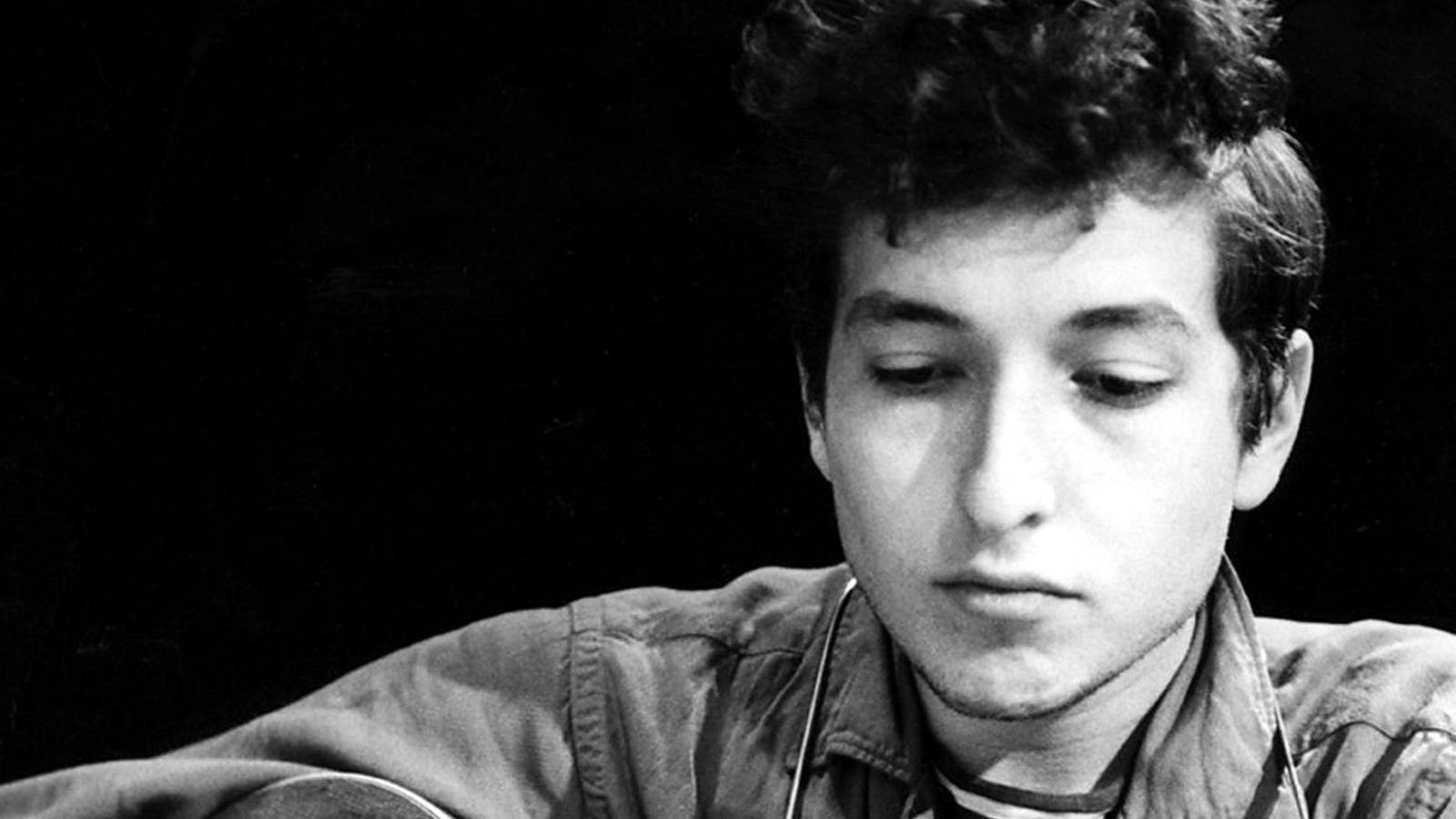

At the height of his global fame in 1966, the world saw Bob Dylan disappear from the spotlight. Through the buzz of his electric trilogy, Dylan had redefined popular music and cemented himself as the voice of a generation. Even that generation wasn’t afraid of voicing criticism. But just weeks after the release of Blonde on Blonde, Dylan suffered a motorcycle crash that brought him to an abrupt stop.
Dylan’s motorcycle crash forced him to cancel tours and retreat from public life entirely. In the months that followed, Dylan did not return with a dramatic comeback, but with something more consequential. The withdrawal from fame allowed Dylan to regain clarity, ultimately resurfacing with the legendary reflection of John Wesley Harding.
Bob Dylan’s Fame And The Crash That Stopped Everything
By the mid-1960s, Bob Dylan was at a new cultural peak. Dylan had stunned the world with his electric trilogy: Bringing It All Back Home, Highway 61 Revisited, and, perhaps most notably, Blonde on Blonde as his first major rock double LP. The success of his new musical direction saw Dylan embark on a world tour in the first half of 1966, accompanied by an electric band, but also a wave of criticism from those who felt betrayed by the folk star. The chaos of the backlash and growing burden of touring mounted enormous pressure on Dylan as the “spokesman of a generation,” and everything soon crashed.
In July 1966, just over a month after the release of Blonde on Blonde, Dylan was riding his motorcycle near his Woodstock home in rural upstate New York. The details of the crash are too often mythologized, and rightly private, but it is known that Dylan’s injuries were serious. As a result of the crash, Dylan was forced to cancel upcoming tours and his sudden disappearance, though a source of confusion for the public, served as a crucial turning point in his musical career.

Unfit to tour, Dylan retreated to his Woodstock home, reconnecting with family and a small circle of fellow musicians. Dylan withdrew from the media and the strains of public expectation, and many connect this sense of decompression to the key inspiration of the recordings that followed Dylan’s period of rest and recovery. What seemed like silence was actually a sanctuary for Dylan to evolve.
The Clarity After The Chaos
In his time of reclusion, Bob Dylan had the most downtime he had experienced since he rose to global superstardom. This time allowed Dylan not only to recover but also to relax and refocus on what he really wanted to pursue creatively. In this period, Dylan famously recorded what would become The Basement Tapes with The band. Guitarist Robbie Robertson remembers the process as Dylan “educating us a little,” showing how the star could absolve himself of his own fame in favor of a grounding, communal experience with his friends.
Despite The Basement Tapes being recorded in 1967, they weren’t released until 1975, showing the first signs of Dylan’s healthier boundary with fame and the public ownership of his music. In a 2012 interview with Rolling Stone, Dylan reflected on 1966 and public commentary by saying, “Sure, I had a motorcycle accident. Sure, I played with The Band. Yeah, I made a record called John Wesley Harding. And sure, I sounded different. So f—ing what? They want to know what can’t be known.” Dylan finally stopped caring what the fans and critics thought and became comfortable with his music on his own terms.
Around the same time The Basement Tapes were recorded, recording began for the legendary John Wesley Harding. The record prioritizes acoustic instrumentation that displays a positive regression to Dylan’s folk foundations. Many deem this move to be a more refined and focused version of Dylan, and more substance than the noisy style of his electric era. The calmer, controlled tone of John Wesley Harding reflects the respite Dylan had in his life, bringing a real sense of home to the musical tone of the first release after his motorcycle crash.

Bob Dylan’s Greatest Diss Song Still One of the Best Songs Ever Written
This classic Bob Dylan song continues to be debated.
John Wesley Harding is deeply narrative, honing in on biblical imagery, particularly that of the Old Testament. “All Along the Watchtower” is influenced by the prophet Isaiah, and “The Ballad of Frankie Lee and Judas Priest” raises moral issues like temptation with listeners. These allegorical references, especially all the way back to the Old Testament, feel like Dylan harking back to his foundations and deliberately considered.
For Dylan, quieter did not mean diminished, and he returned with John Wesley Harding as a steadier musician. Dylan’s motorcycle crash was an undeniable tragedy, but it enabled a sense of clarity for the folk legend. John Wesley Harding and his restraint are wonderful evidence of Dylan’s regained balance, and he certainly returned stronger.
