


Critical reception and audience enjoyment do not always go hand in hand. Film history is full of movies that received mixed or outright negative reviews upon release, only to find passionate audiences years later. Sometimes critics and viewers simply want different things. Other times, a movie arrives before audiences are ready for what it is trying to do. In a few cases, expectations become the biggest obstacle, with films being judged for what people wanted them to be rather than what they actually were.
That does not mean every poorly reviewed movie is a hidden masterpiece. Plenty earned their reputation. However, some remain consistently entertaining despite their flaws, offering memorable performances, striking visuals, ambitious ideas, or simply a level of fun that outweighs their shortcomings.
The movies on this list were all criticized for various reasons, from tonal inconsistencies and confusing plots to excessive spectacle and unconventional storytelling. Yet they remain highly watchable, often because they commit fully to their ideas instead of playing things safe. Whether they have become cult classics or simply deserve a second look, these films prove that being critically divisive is not always a barrier to being entertaining.
The Cable Guy (1996)

When The Cable Guy was released, many critics and audiences struggled with what Jim Carrey was doing. Coming off crowd-pleasing hits like Ace Ventura and Dumb and Dumber, viewers expected another broad comedy. Instead, they got a deeply uncomfortable black comedy about loneliness, obsession, and social dysfunction.
The tonal clash was a major source of criticism. The Cable Guy constantly shifts between absurd humor and genuinely unsettling behavior. This left some audiences unsure whether they were supposed to laugh or feel disturbed.
Today, that strange balance is exactly what makes The Cable Guy so compelling. Carrey’s performance is fearless, turning Chip Douglas into one of the most memorable characters of his career. Ben Stiller’s direction embraces the film’s weirdness, and many of its observations about media addiction and parasocial relationships feel surprisingly modern nearly three decades later.
The Cell (2000)

Tarsem Singh’s The Cell divided critics who admired its visuals but questioned whether the story could support them. Many reviews dismissed I as style over substance, arguing that its dream sequences overshadowed the actual narrative.
While the plot itself is relatively straightforward, The Cell’s visual imagination remains astonishing. Jennifer Lopez stars as a psychologist who enters the minds of patients through experimental technology, eventually exploring the twisted psyche of a serial killer.
The resulting imagery is unlike almost anything else produced by a major Hollywood studio at the time. Giant robes, surreal landscapes, and nightmarish symbolism create scenes oozing with operatic grandeur. It’s as unsettling as it is beautiful. Even viewers who find parts of the story uneven often acknowledge that The Cell delivers one unforgettable visual idea after another, making it endlessly watchable.
Vanilla Sky (2001)
.JPG?q=49&fit=crop&w=500&dpr=2)
Few films inspired as much confusion as Vanilla Sky when it first arrived. Critics were divided by its blend of romance, science fiction, psychological drama, and mystery. Some felt the movie became too convoluted, while others found its emotional themes buried beneath plot twists.
However, that complexity is also part of its appeal. Tom Cruise delivers one of the most vulnerable performances of his career as David Aames, a wealthy man whose reality slowly unravels after a life-changing car accident leaves him permanently disfigured.
Director Cameron Crowe fills Vanilla Sky with memorable images, from the empty Times Square sequence to the increasingly surreal dream logic that takes over the narrative. Repeat viewings often improve the experience because viewers can focus on the clues rather than the confusion. It may not work for everyone, but Vanilla Sky remains fascinating from beginning to end.
Scanners (1981)

David Cronenberg’s Scanners is remembered today for one reason above all others: the exploding head scene. While that sequence deservedly became legendary, it also overshadowed the rest of the movie for years. Upon release, critics were mixed on the performances, pacing, and occasionally stiff dialogue.
Some reviewers felt the ambitious premise was not fully realized. Yet Scanners remains one of the most entertaining examples of early science-fiction horror. The concept of telepathic individuals engaged in a psychic war is endlessly gripping, and Cronenberg creates a uniquely unsettling atmosphere throughout.
Michael Ironside’s performance as Darryl Revok is especially memorable, bringing genuine menace to the role. Even when the storytelling occasionally stumbles, Scanners never stops being interesting, which is often more important than perfection.
The Chronicles Of Riddick (2004)

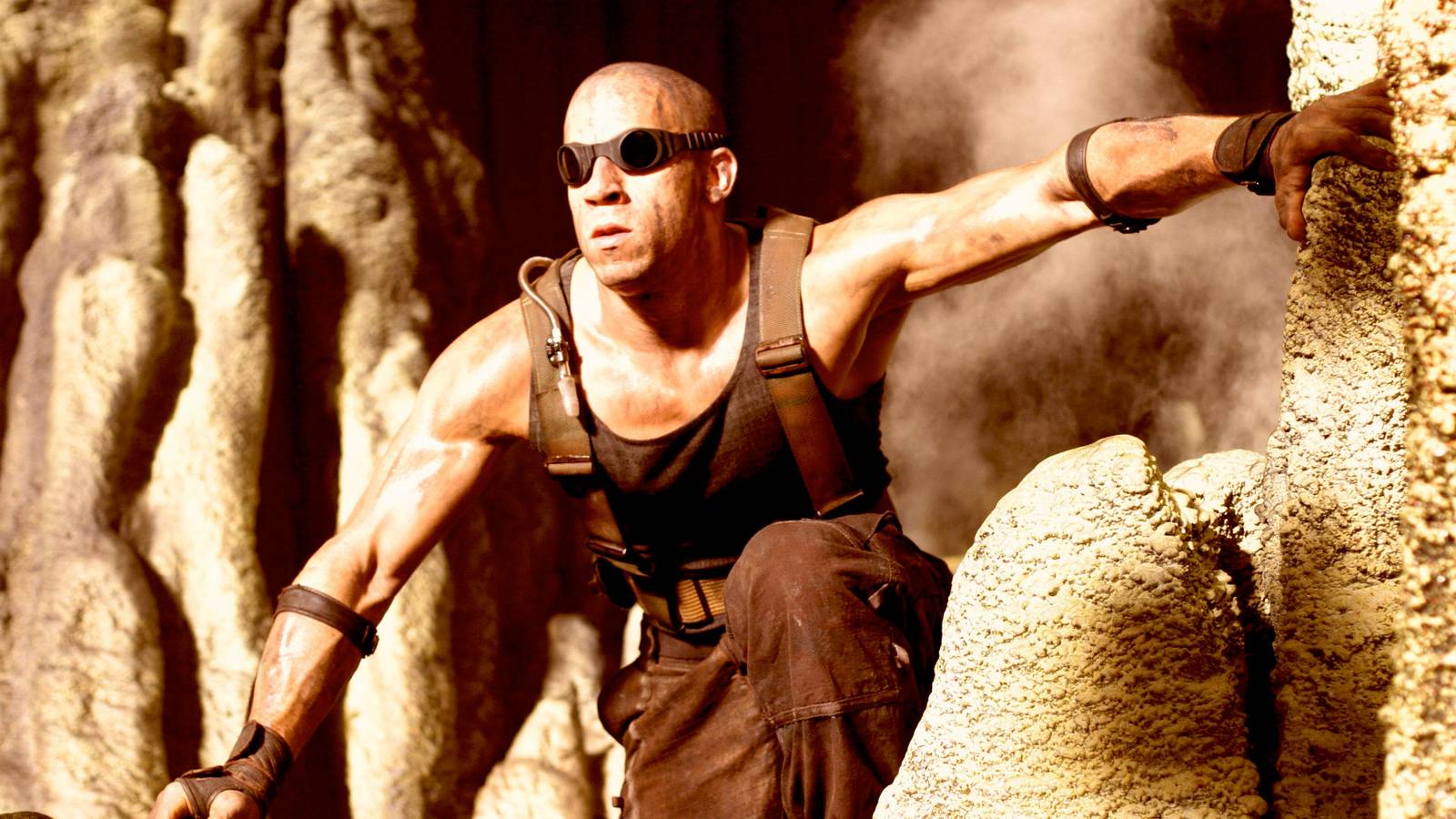
The Chronicles of Riddick confused many critics by abandoning the relatively grounded survival horror approach of Pitch Black in favor of sprawling space opera. Reviewers frequently criticized its dense mythology, unusual world-building, and ambitious scope. Ironically, those same qualities are what have helped the film develop such a devoted following.
Rather than delivering a conventional sequel, it expands Riddick’s universe into something far stranger and more imaginative. Vin Diesel fully embraces the antihero role, while the Necromongers provide one of the more visually distinctive villain factions in modern science fiction.
The production design, costumes, and locations create a genuinely unique world that feels unlike most blockbuster franchises. The Chronicles of Riddick may be messy, but it is never boring, and its willingness to take risks makes it far more memorable than many safer genre films.
Armageddon (1998)

Michael Bay’s Armageddon became a favorite target for critics who mocked its scientific inaccuracies, emotional manipulation, and relentless excess. Even today, it is often cited as one of the most absurd blockbuster movies ever made. The criticism is not entirely unfair.
The plot makes little scientific sense, and subtlety is not exactly the film’s strongest quality. Yet Armageddon remains enormously entertaining because it understands exactly what kind of movie it wants to be. It’s not supposed to be high art, but rather fun and explosive spectacle.
The cast is packed with charismatic performers, including Bruce Willis, Ben Affleck, Steve Buscemi, and Billy Bob Thornton. The action is huge, the stakes are ridiculous, and the emotional moments land surprisingly well. Few blockbusters commit so completely to spectacle. Armageddon is loud, ridiculous, and undeniably effective at keeping audiences engaged.
Kung Pow! Enter The Fist (2002)

Many critics viewed Kung Pow! Enter the Fist as little more than a collection of random jokes stitched together with primitive visual effects. Its deliberately childish humor and relentless absurdity proved highly divisive. Created by Steve Oedekerk, the movie inserts new footage into, and re-edits, existing martial arts film, creating a bizarre parody unlike anything else in mainstream comedy.
The commitment to nonsense is unparralleled. The jokes come at such a rapid pace that even failed gags are quickly replaced by something stranger. Characters argue with cows, conversations become surreal wordplay, and entire scenes seem designed to confuse viewers.
Not every joke lands, but the sheer energy and unpredictability make Kung Pow! surprisingly rewatchable for anyone willing to embrace its ridiculous sense of humor.
Halloween III: Season Of The Witch (1982)

No movie on this list suffered more from audience expectations than Halloween III: Season of the Witch. Viewers expected Michael Myers returning once more to stalk an array of disposable teens. Instead, they received a story about killer Halloween masks, sinister corporations, and ancient Celtic magic.
The backlash was immediate. Many rejected the sequel simply because it did not continue the storyline established by the previous entries. Viewed on its own merits, however, Halloween III is one of the most creative horror films of the 1980s. The premise is wonderfully strange, blending science fiction, folk horror, and conspiracy thriller elements into a uniquely unsettling experience.
Tom Atkins brings plenty of charisma to the lead role, while the infamous Silver Shamrock jingle remains impossible to forget. Separated from expectations about Michael Myers, it becomes clear why Halloween III: Season of the Witch has earned a devoted cult following.

- Release Date
-
October 22, 1982
- Runtime
-
99 minutes
- Director
-
Tommy Lee Wallace
- Writers
-
Tommy Lee Wallace, Nigel Kneale
- Producers
-
Debra Hill, Dino De Laurentiis, Irwin Yablans, John Carpenter, Joseph Wolf
-

Tom Atkins
Dr. Daniel ‘Dan’ Challis
-
Stacey Nelkin
Ellie Grimbridge
