


 In This Article
The S14 occupies a unique place in BMW history. It’s the engine that defined the original M3 in the 1980s and 1990s, and it remains one of the most iconic four-cylinder engines ever produced. But behind the legendary status sits a complicated powerplant that demands respect and proper maintenance. Understanding what makes the S14 tick—and what makes it break—is essential for anyone considering ownership.
The S14’s Origins and Evolution

BMW developed the S14 as a heavily modified version of the M10 four-cylinder block paired with a shortened BMW S38 cylinder head. This hybrid architecture gave engineers the mechanical foundation they needed while allowing for significant performance gains through cylinder head development.
The original S14B20 (2.0L, 1,990 cc) arrived in 1986-1987 for the E30 320iS, available only in Italy and Portugal. This version produced 197 hp and foreshadowed the engine’s potential in markets where displacement taxes made smaller displacement appealing.
The E30 M3 (1986-1991) used the S14B23 (2.3L, 2,302 cc) from launch, initially producing 197 hp, or 192 hp with catalytic converter and 230 Nm torque. In April 1989, BMW released the Ravaglia and Cecotto limited editions with 212 hp, which became the standard motor in September 1989. A later evolution produced 217 hp, or 212 hp with a catalytic converter.

The final E30 evolution came in 1989 when displacement enlarged to 2,467 cc (2.5L), producing 235 hp. This proved the S14’s engineering headroom—achieved through higher displacement rather than radical internal changes.
The engine used a distinctive dual throttle body setup, with two separate throttle bodies, each incorporating two throttle butterfly plates. This configuration provided responsive throttle response and helped achieve the engine’s characteristically eager power delivery.
Reliability: The Good and the Complicated
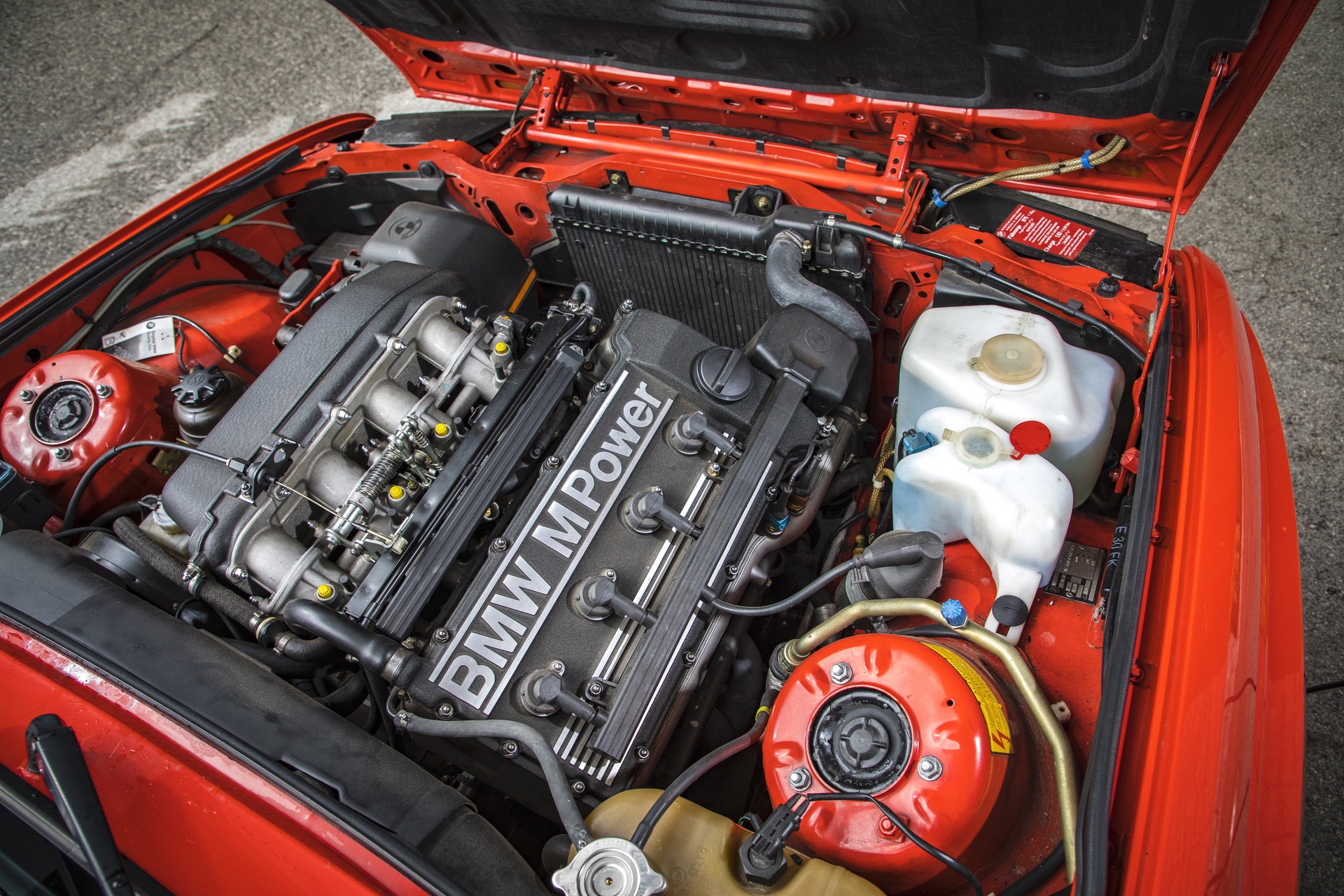
The S14 enjoys a reputation for durability that’s partially deserved and partially overstated. In standard form with proper maintenance, these engines regularly exceed 200,000 miles. The basic architecture is sound: the block is robust, the crankshaft is forged, and the connecting rods are sturdy enough for considerable abuse.
But the word “proper maintenance” carries weight. The S14 demands regular oil changes—every 3,000-5,000 miles depending on condition—and high-quality synthetic oil. Neglect this and varnish buildup accelerates wear on valve guides and piston rings. The VANOS system (variable valve timing) requires clean oil, and dirty oil causes rough idle and performance loss before any catastrophic failure occurs.
The initial-run E30 engines had documented issues with valve stem seals that would weep oil, causing blue smoke under load. BMW addressed this in later production runs, but buying an older S14 demands inspection. Piston slap—a slight knocking sound during cold starts—appears on some engines but represents a manufacturing characteristic rather than an immediate failure point. It can accelerate into something more serious over time, particularly if driven hard before warm-up.
Timing chain wear presents the most concerning longevity issue. The S14 uses a timing chain rather than a belt, which sounds positive until you realize the chain can stretch if tensioner wear isn’t caught early. You won’t get dramatic warning signs; the engine just won’t pull as cleanly and starts showing timing-related misfires. By the time symptoms appear noticeably, significant wear has already occurred. Inspecting chain wear during valve cover removal is smart preventive maintenance on higher-mileage examples.
Common Issues and Failure Points

VANOS System: The variable valve timing system works well when maintained but becomes troublesome when ignored. Worn VANOS solenoids cause check engine lights and rough idle. Replacement isn’t catastrophic—roughly $800-1,500 in parts and labor—but it’s not a cheap repair.
Oil Leaks: The S14 leaks oil like it’s a design feature. Valve cover gaskets, cam cover seals, and crankshaft seal leaks are normal maintenance items, not defects. Budget for valve cover gasket replacement every 50,000-80,000 miles. It’s annoying and expensive when performed at a specialist, but necessary.
Cooling System: The standard cooling system runs tight, and overheating has claimed more than a few S14 engines. The radiator design isn’t particularly efficient, and the water pump can wear. Upgrading to a quality aftermarket radiator and maintaining hose integrity prevents problems. This is non-negotiable if you plan any performance modifications.
Fuel System Decay: The S14 uses a returnless fuel system that can accumulate carbon deposits in injectors over time. Fuel quality and intervals matter. Running cheap gas accelerates deposits, which cause hesitation and stumbling.
Maintenance Reality
Owning an S14 means committing to a maintenance regimen that’s more demanding than many other engines. Oil changes matter more. Cooling system integrity matters more. Valve cover gaskets need regular replacement. The engine rewards attention and punishes neglect predictably.
A realistic annual maintenance budget for a well-maintained S14 runs $1,500-2,500 in fluid services, gasket replacements, and preventive work. This shouldn’t include major repairs, but it accounts for the things that keep the engine healthy. Neglecting this invites expensive problems.
Tuning: Where the S14 Shines
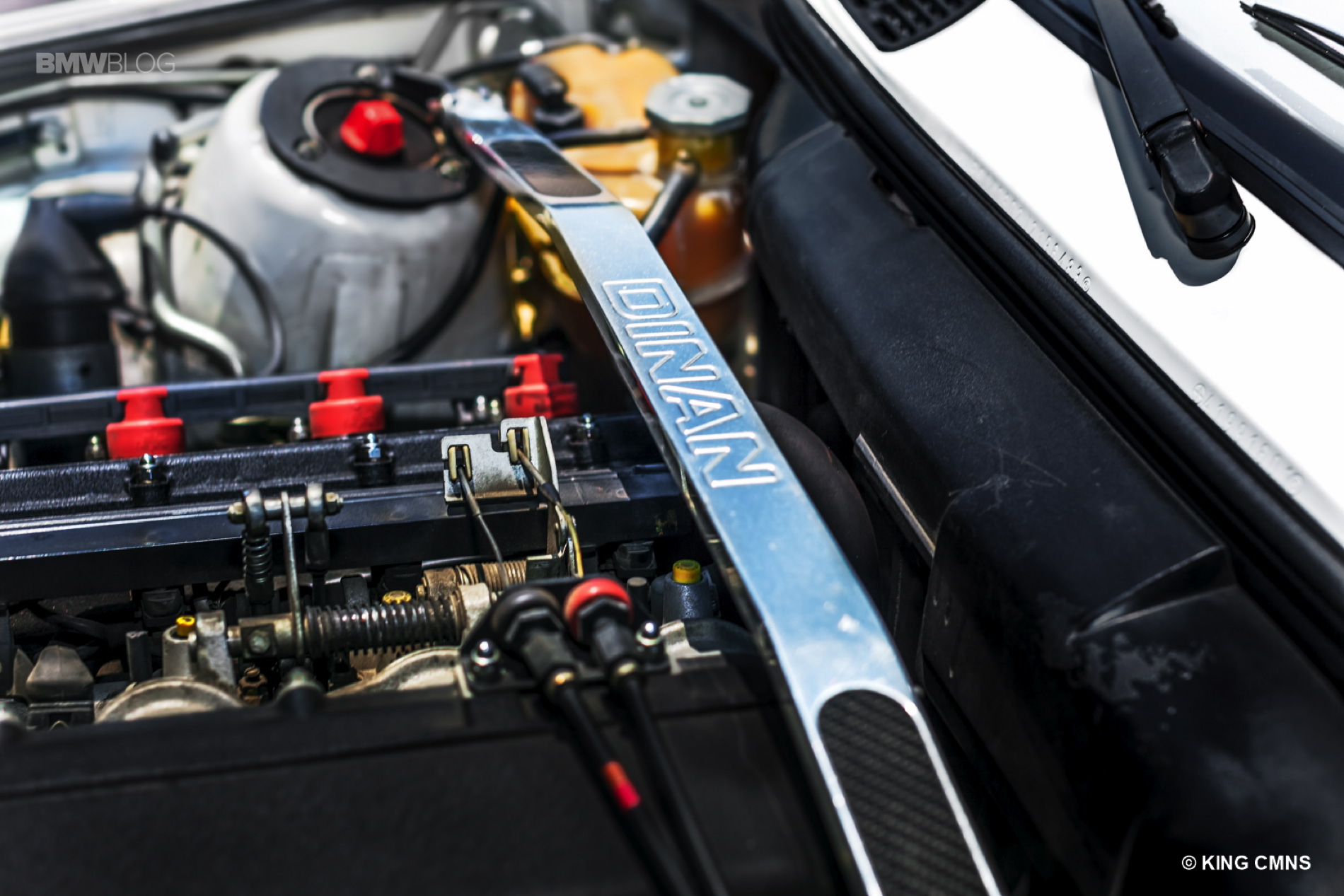
Tuning potential is where the S14 separates from average four-cylinder engines. The platform responds dramatically to modifications because BMW engineered headroom into the basic architecture. A complete bolt-on package—intake, exhaust, and ECU remap—could net gains of 40-60 hp on a stock S14B23. Of course, there are plenty of tuners who pushed the S14 to even higher heights with different kits. As always, the real limitation is cooling capacity and fuel system capability.
Successors and Impact
The S14 never received a direct successor in the M3 lineage. The E36 M3 transitioned to the BMW S50 six-cylinder engine, abandoning the four-cylinder formula entirely. For racing, BMW developed the S42 based on the M42 engine, which powered the E36 320i in the German Super Tourenwagen Cup. But no production BMW four-cylinder M engine emerged after the S14—the company moved decisively toward six-cylinder architectures for its performance cars.
This decision reflected market shifts and regulatory changes, but it also represented the end of an era. The S14 was the last M-branded four-cylinder engine BMW would produce, giving it historical significance beyond its performance capabilities.
The S14’s Legacy
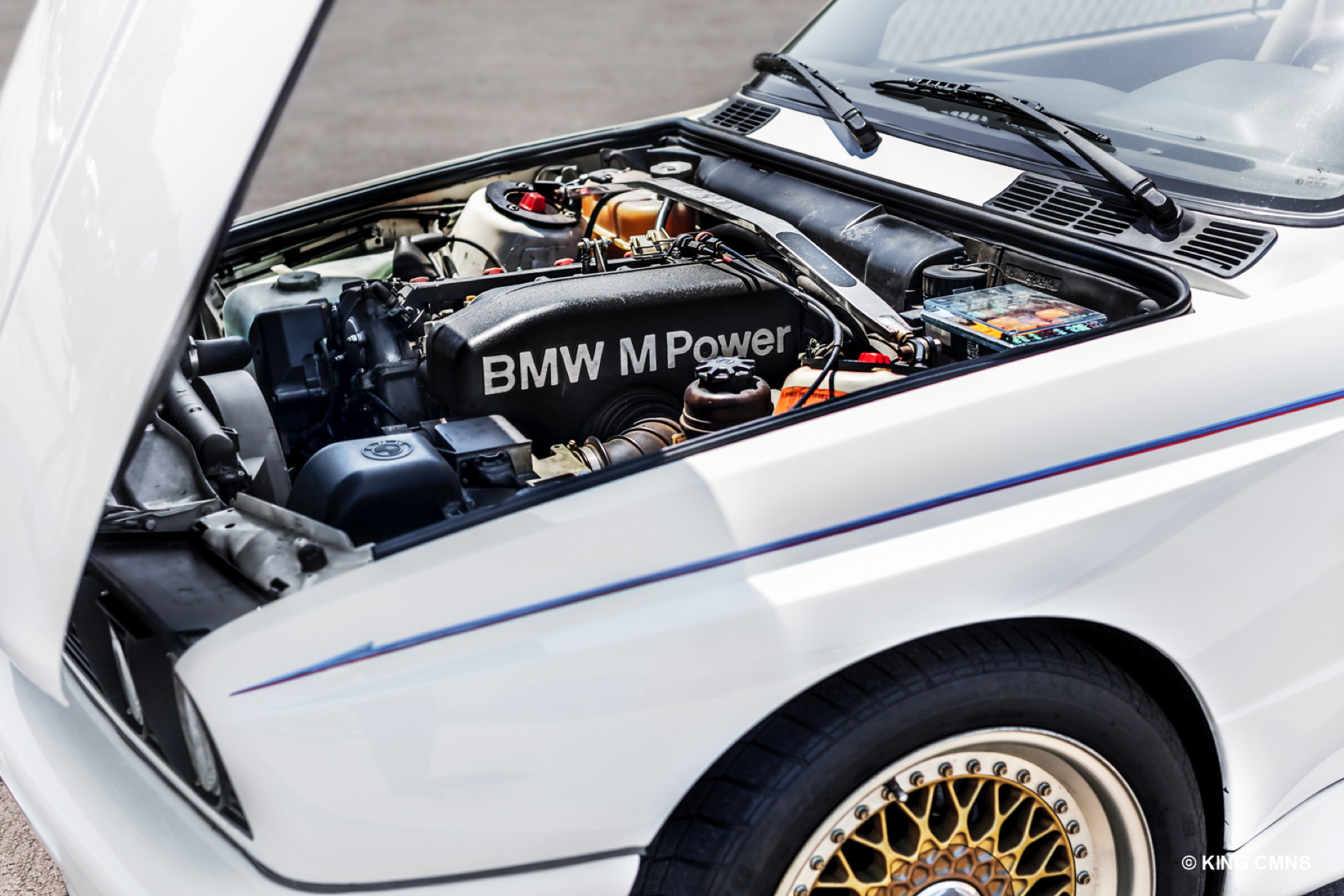
The S14 represents a specific philosophy: maximum performance from naturally aspirated displacement through engineering excellence and high RPM capability. It’s not the fastest four-cylinder engine ever built, nor the most reliable, but it remains one of the most beloved by drivers who understand its character.
For anyone considering an S14-powered car, recognize that ownership requires commitment. The engine isn’t fragile, but it’s demanding. Proper maintenance, quality parts, and realistic expectations about operational costs determine whether you get a reliable 200,000-mile companion or an expensive repair bill waiting to happen.
The S14 rewards dedication. Respect its requirements, and it becomes one of the most engaging automotive experiences available. As the last M-badged four-cylinder from BMW, it represents a philosophy the company has since abandoned—proof that sometimes the most memorable engines aren’t the most powerful, but the ones that demand the most engagement from their caretakers.
