
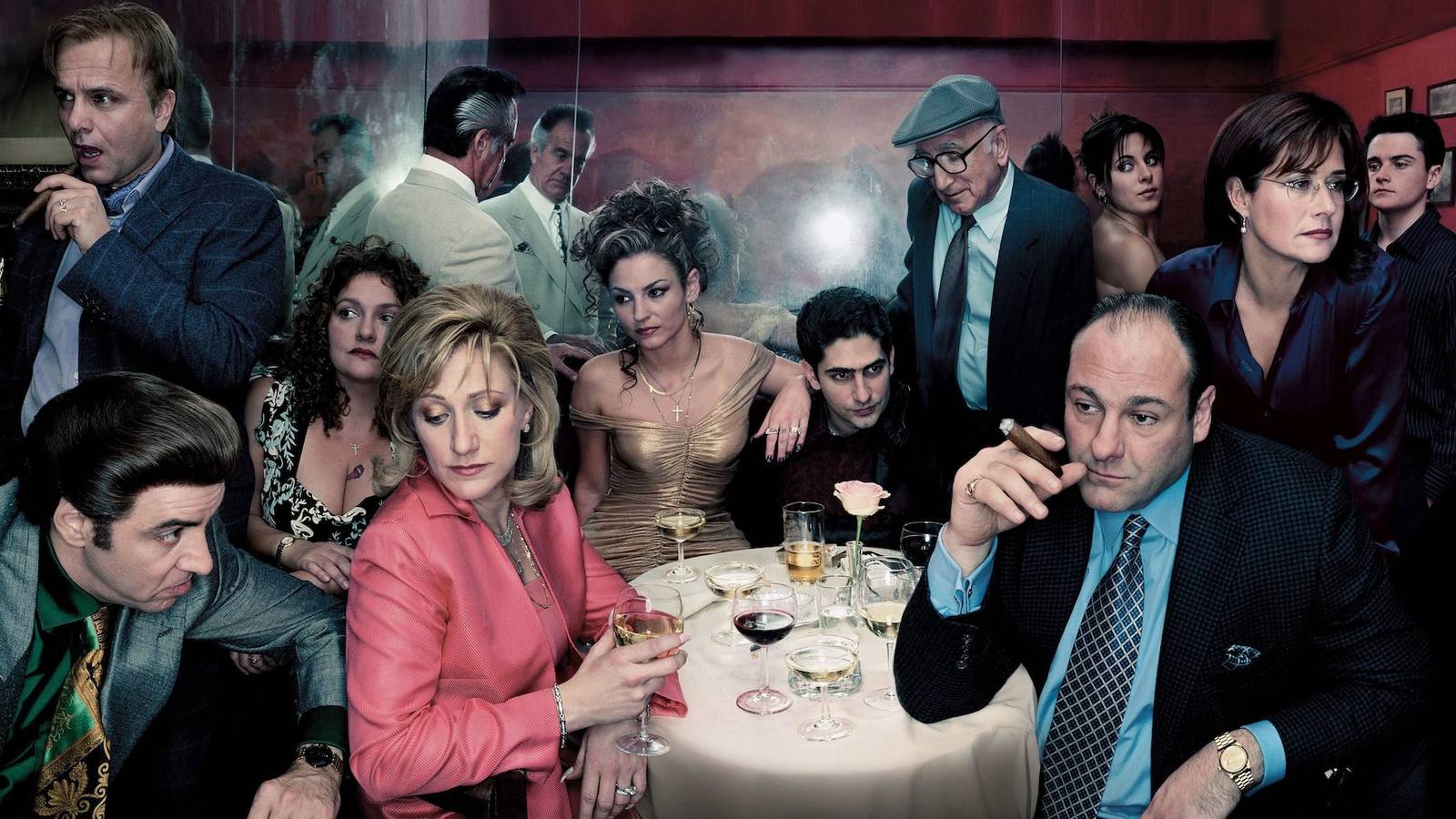

HBO’s hit series, The Sopranos, is universally hailed as one of the most influential and beloved television dramas of all time, known for its award-winning performances by a star-studded cast, innovative writing, and a collection of memorable characters. Before the show originally aired in 1999, gangsters and organized crime were no strangers to small-screen entertainment, but The Sopranos stood out for a variety of reasons, notably for its unheard-of concept about a mob boss going to therapy to discuss his issues with his mother.
Creator David Chase undoubtedly piqued viewers’ interest with his contradictory, humanizing approach to the traditional mafioso, but the authentic backdrop of the Italian-American mafia and emotional focus on core values like family, honor, and morality are what ultimately kept fans tuned in. Out of all the defining qualities of the show, there are several other notable factors, such as its controversial series finale and an unforgettable lead performance by the legendary James Gandolfini, that are credited to the show’s timeless popularity and monumental success.
6
Its modern depiction of the mafia

Before The Sopranos, the majority of gangster shows and movies were set either during the high points of organized crime or during its early beginnings, and were depicted with a certain allure and style of elegance. The Sopranos broke the mold with its modernized depiction of the American mafia, trading in the traditional glamorization of the gangster genre for a groundbreaking focus on brutal authenticity and psychological depth, which resonated with viewers on a unique personal level.
Of course, the show still has its lavish elements of wealth, luxury, and power, but its contemporary and mainly suburban backdrop adds a realistic element to The Sopranos that is rarely seen in any other mob show or movie. There’s nothing wrong with a traditional mafia story, but The Sopranos defied common expectations with its unusual setting and raw, emotionally-driven depiction of the average American mobster, making it one of the main factors in the show’s immense success.
5
Relatable and emotional themes

As many fans know, the idea for The Sopranos was inspired by David Chase’s real-life experience of going to therapy to deal with the issues surrounding his relationship with his mother. While Chase obviously opted for a mafia boss to have that crucial wow-factor, his personal perspective and genuine emotions still laid the foundation for the show’s assortment of relatable themes and characters, which played a pivotal part in its popularity.
Unlike other shows and movies, the assortment of characters and their variety of familiar situations in The Sopranos appealed to a broad range of viewers, even to those who don’t consider themselves to be fans of the gangster genre. You don’t need to be a mobster to relate to the majority of the show’s themes, such as raising a family, dealing with a difficult parent, and being weighed down by the pressures of everyday life. While Tony and the others may live in a different world, they still face similar challenges and obstacles that hit home with viewers one way or another.
4
An all-star supporting cast and guest stars

Let’s face it. The Sopranos essentially set the standard with its epic line-up of a supporting cast and guest stars who were also a large driving force behind the show’s infamous notoriety. While The Sopranos had its fair share of established talent, such as Lorraine Bracco, Dominic Chianese, and Nancy Marchand, it also had a brilliant balance of rising talent, including Drea de Matteo and Michael Imperioli, and newcomers like Steven Van Zandt, who each brought something distinctive to the table with their performances.
The Sopranos also featured impressive guest stars, including John Heard, Steve Buscemi, and Tulsa King stars Annabella Sciorra and Robert Patrick, as well as cameo appearances by notable names such as Lauren Bacall, Ben Kingsley, Frank Sinatra Jr., and Annette Bening, who also played a major part in solidifying the show’s impeccable legacy. Between its spectacular supporting cast and unpredictable range of guest stars, The Sopranos never failed to keep viewers on their toes, leaving them thrilled with anticipation over who else the series might throw into the mix of comedic chaos and unhinged depravity.
3
The iconic and controversial series finale

It’s never an easy task to end a show on a note that will satisfy every fan, but The Sopranos left fans absolutely flabbergasted with its unexpected series finale that ended with a cut-to-black, leaving Tony’s fate up for interpretation. The unusual ending led some viewers to believe their power had gone out, or they had lost their cable connection, but once they realized what had happened, the majority of them were either furious or confused.
Initially, many fans and entertainment outlets (even some of the cast) criticized the open-ended finale, but today, it is recognized as a stroke of undeniable genius by Chase that made The Sopranos essentially immortal. Even though Chase has said that he will never confirm Tony’s fate, that hasn’t stopped fans from continuing to analyze and dissect the series and engage in discussions among themselves in an effort to hopefully figure out what exactly happened. Over the years, there have been several plausible fan theories about Tony’s final moments in The Sopranos, but without Chase signing off on any of them even decades later, it’s safe to say that the finale will remain one of the most prolific mysteries in the history of modern television.
2
Its cinematic style of storytelling

The Sopranos had an undeniable cinematic quality, both visually and story-wise, that transcended the traditional television drama, inevitably altering the landscape of modern entertainment forever. According to Chase, each episode was filmed using 35 mm film and treated like a mini-movie, meticulously breaking down every scene for every show as one would do when producing a feature-length film. Chase and his cinematographers used specific camera techniques and visual aesthetics, often with references from iconic gangster movies, to give the show a rich and artistic look.
The story structure of the episodes followed a feature-film length format, which prioritized character development over any physical action, creating a more intimate and personalized approach that is similar to the movie-going experience. Over time, the visuals and story structure of The Sopranos evolved like any other show, but it never lost sight of its distinct cinematic quality, and its relentless pursuit of blending the modernized Mafia with the nostalgia of classic gangster movies is a significant factor in the show’s unwavering fame.
1
James Gandolfini’s iconic performance

The massive success of The Sopranos can be attributed to a slew of key factors, but the show wouldn’t have even come close to earning half of its prominence without James Gandolfini, whose performance as Tony Soprano is easily one of the greatest of all time. Dozens of actors auditioned for the role of Tony Soprano, many who went on to be cast in other roles in the show, but once Chase saw Gandolfini’s minor but intense performance in True Romance, he knew he had found his leading man. Gandolfini is an absolute force as Tony Soprano, delivering an impeccable performance with sheer precision and unhindered tenacity that is undoubtedly the heart and soul of The Sopranos.
His unforgettable performance also laid the groundwork for the quintessential anti-hero in modern television, inspiring other notable characters, notably Bryan Cranston‘s epic portrayal of Walter White in the binge-worthy crime series, Breaking Bad. Throughout the show’s six-season run, Gandolfini received an abundance of awards and nominations, including three Emmy Awards for Outstanding Lead Actor in a Drama Series and a Golden Globe Award for Best Actor in a Television Series Drama. There’s no denying that The Sopranos left a lasting impression on modern television, but Gandolfini’s incredibly profound performance was, without a doubt, the most influential contribution to the show’s perpetual success.

The Sopranos
- Release Date
-
1999 – 2007
- Network
-
HBO
- Showrunner
-
David Chase
- Directors
-
Tim Van Patten, John Patterson, Alan Taylor, Jack Bender, Steve Buscemi, Daniel Attias, David Chase, Andy Wolk, Danny Leiner, David Nutter, James Hayman, Lee Tamahori, Lorraine Senna, Matthew Penn, Mike Figgis, Nick Gomez, Peter Bogdanovich, Phil Abraham, Rodrigo García
